What it is made of, and how it behaves
Every sample in the studio is here with the same notes we give you across the bench, including the drawbacks. Nothing in this library is chosen by a marketing team.
- 6 species
- 8 countertop materials
- Samples go home free

Six species we build with
Tap a swatch to swap the preview. Every one of these is available in any door profile below.
Full materials librarySamples go home with you from the studio, free, for as long as you need them.
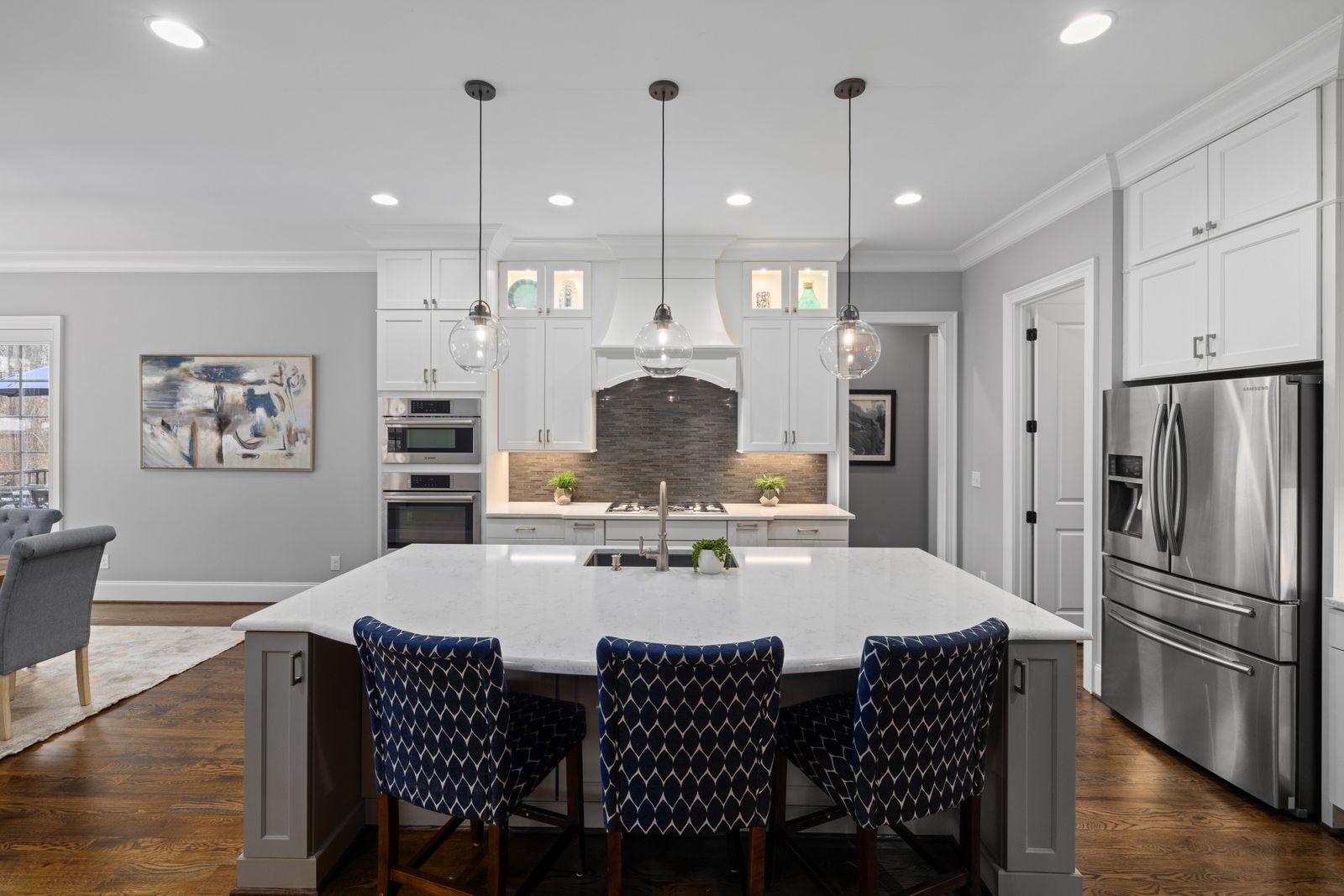
Quartersawn white oak
PremiumQuercus alba
- Grain
- Tight straight grain with ray fleck
- Tone
- Warm honey to pale caramel
- Best for
- Islands, open shelving, anything with a natural oil finish
Our most requested species four years running. Quartersawing costs more per board foot but gives you the ray fleck and far less seasonal movement than plain sawn.
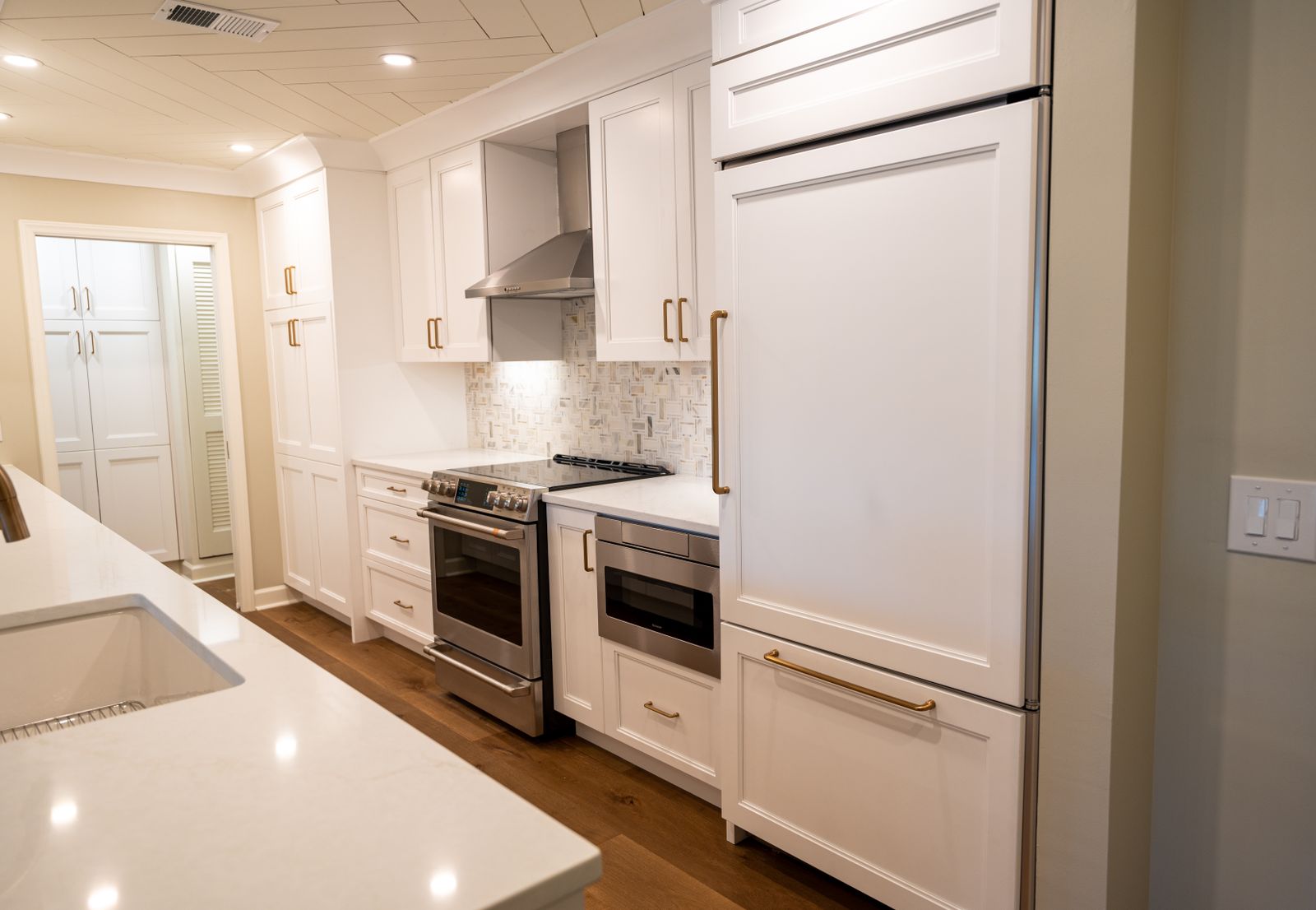
American black walnut
PremiumJuglans nigra
- Grain
- Flowing open grain with occasional figure
- Tone
- Chocolate brown with purple undertones
- Best for
- Island tops, accent runs, a single feature cabinet
Walnut lightens with UV exposure rather than darkening. Plan for a kitchen that will look slightly warmer in five years than it does on install day.
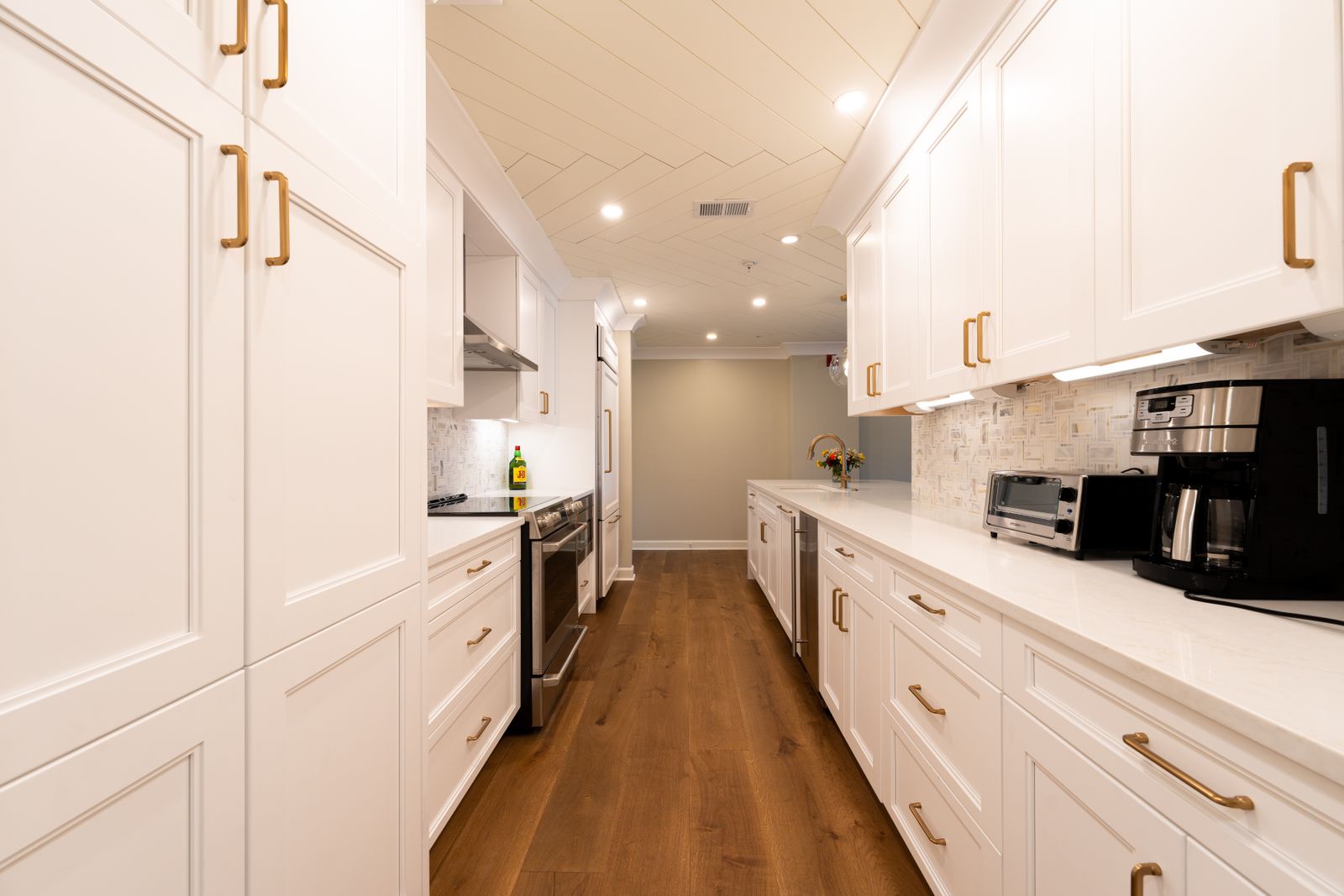
Hard maple, paint grade
ValueAcer saccharum
- Grain
- Very fine and closed, disappears under paint
- Tone
- Whatever color you choose
- Best for
- Painted Shaker and inset doors, the whole perimeter run
The workhorse. A closed grain means no telegraphing through the finish, which is why almost every painted kitchen we build starts here.
Rift-sawn red oak
MidQuercus rubra
- Grain
- Perfectly linear, no cathedral figure
- Tone
- Pinkish tan, takes stain evenly
- Best for
- Matching 1920s Madison millwork, stained runs
If your house already has red oak floors and trim, rift red oak cabinetry will read as original in a way white oak never quite does.
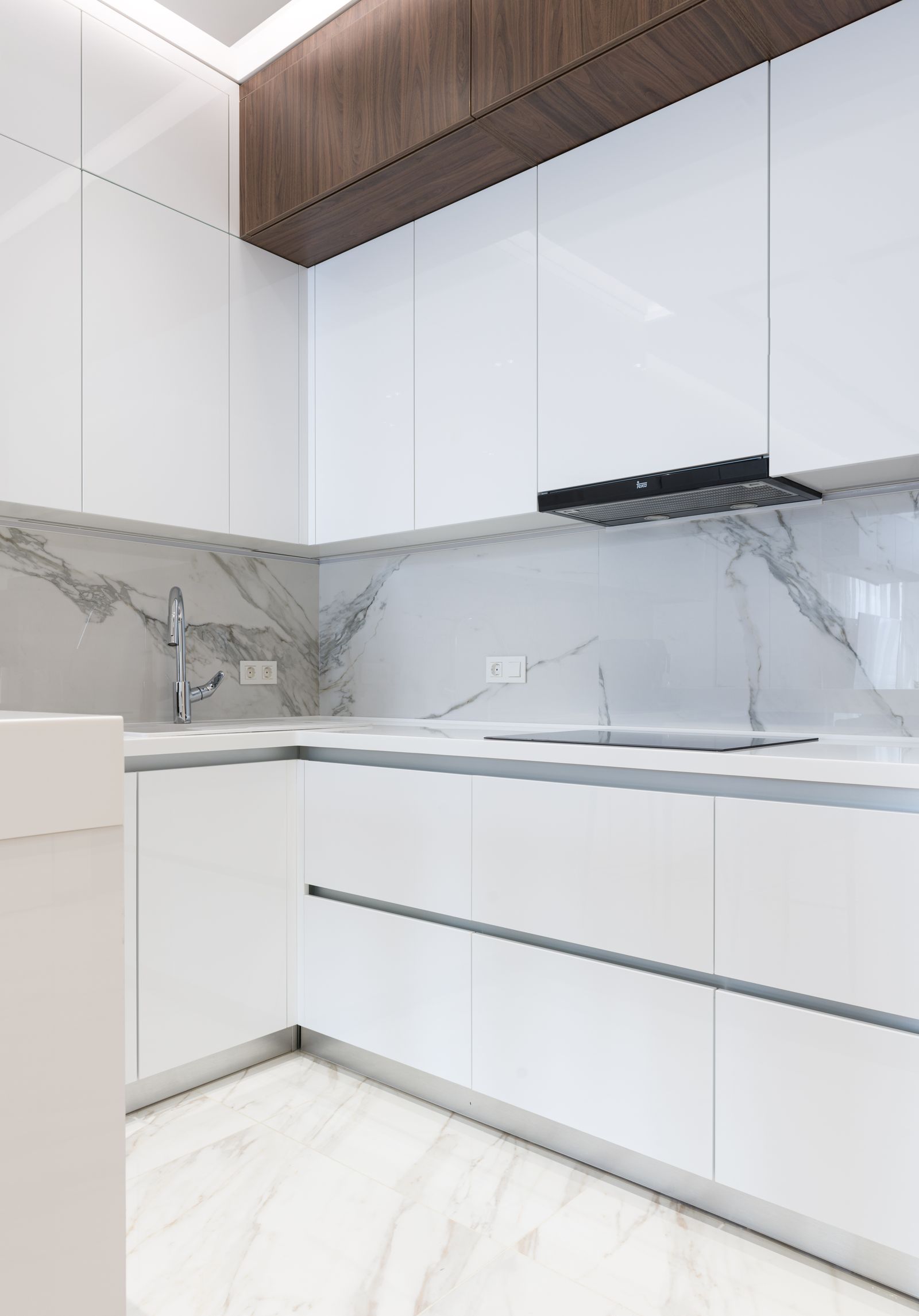
American cherry
MidPrunus serotina
- Grain
- Smooth and satiny with fine flecking
- Tone
- Pale pink-tan, deepening to red-brown
- Best for
- Traditional raised panel, furniture-style pieces
Cherry darkens dramatically in its first year. We show clients a sample that has been in a south window for six months so nobody is surprised.
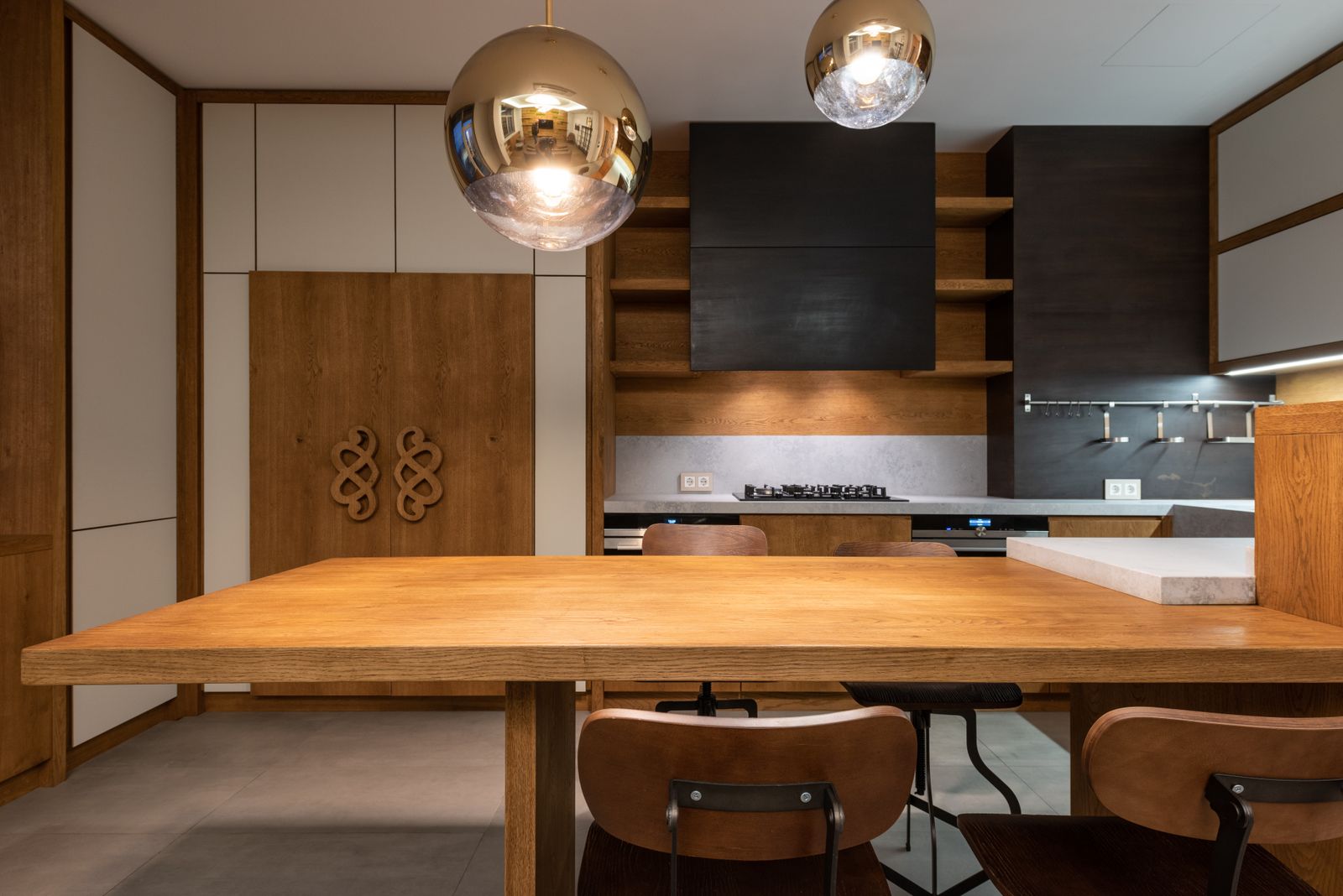
North American ash
MidFraxinus americana
- Grain
- Bold open grain, strong cathedral figure
- Tone
- Blonde to pale grey when limed
- Best for
- Limed and wire-brushed finishes, contemporary slab doors
Ash gives you oak-scale grain at a lower cost. It takes a limed or cerused finish beautifully and reads far more contemporary than oak.
Eight surfaces, ranked by how forgiving they are
Porosity, heat tolerance and what each one asks of you. Read the maintenance column before you fall in love with a slab.
Countertops and stone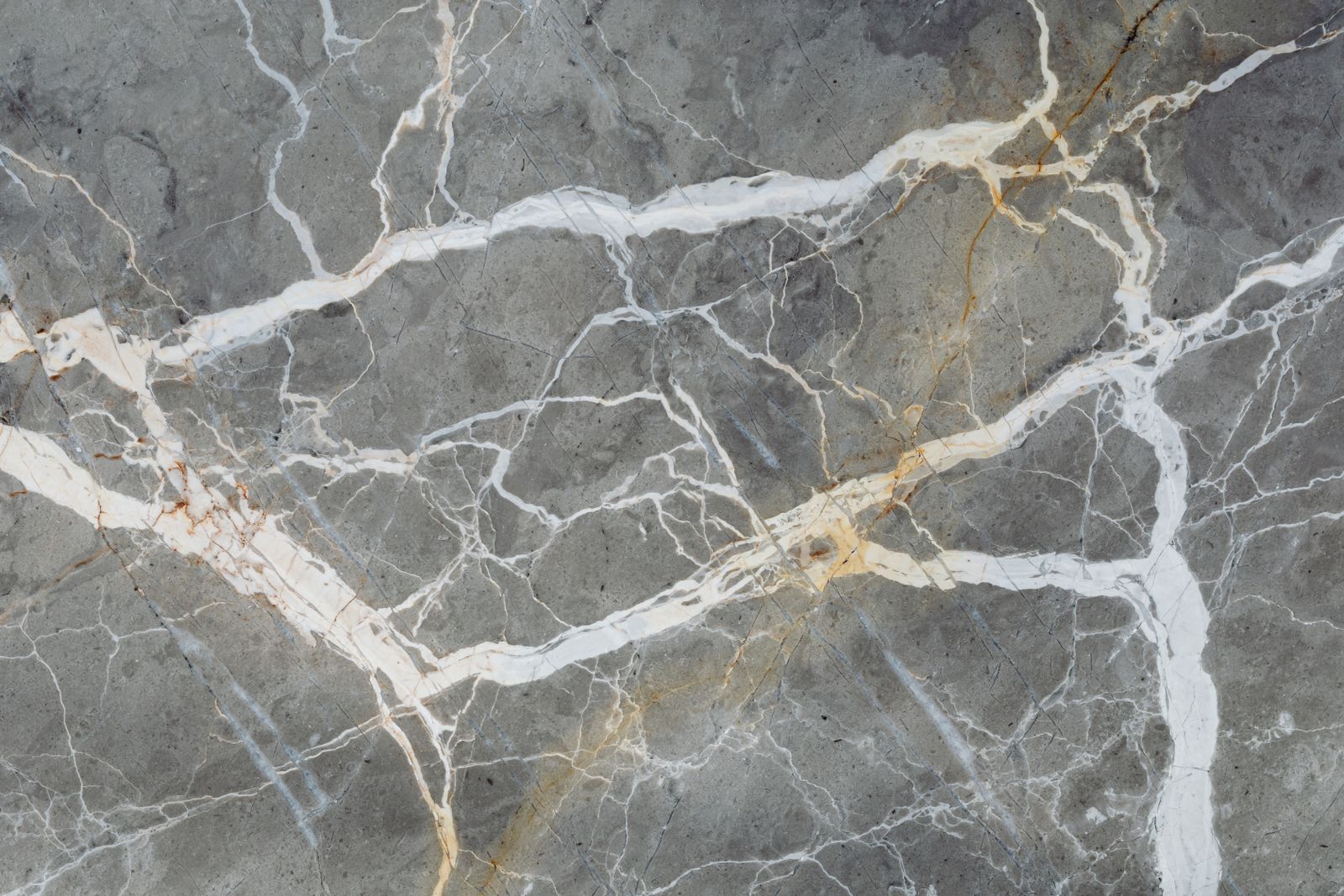
Engineered quartz
ValueManufactured · Group A
- Maintenance
- Non-porous, never needs sealing
- Heat
- Use trivets. Resin can scorch above about 300F.
- Best for
- Family kitchens that want consistency and no maintenance
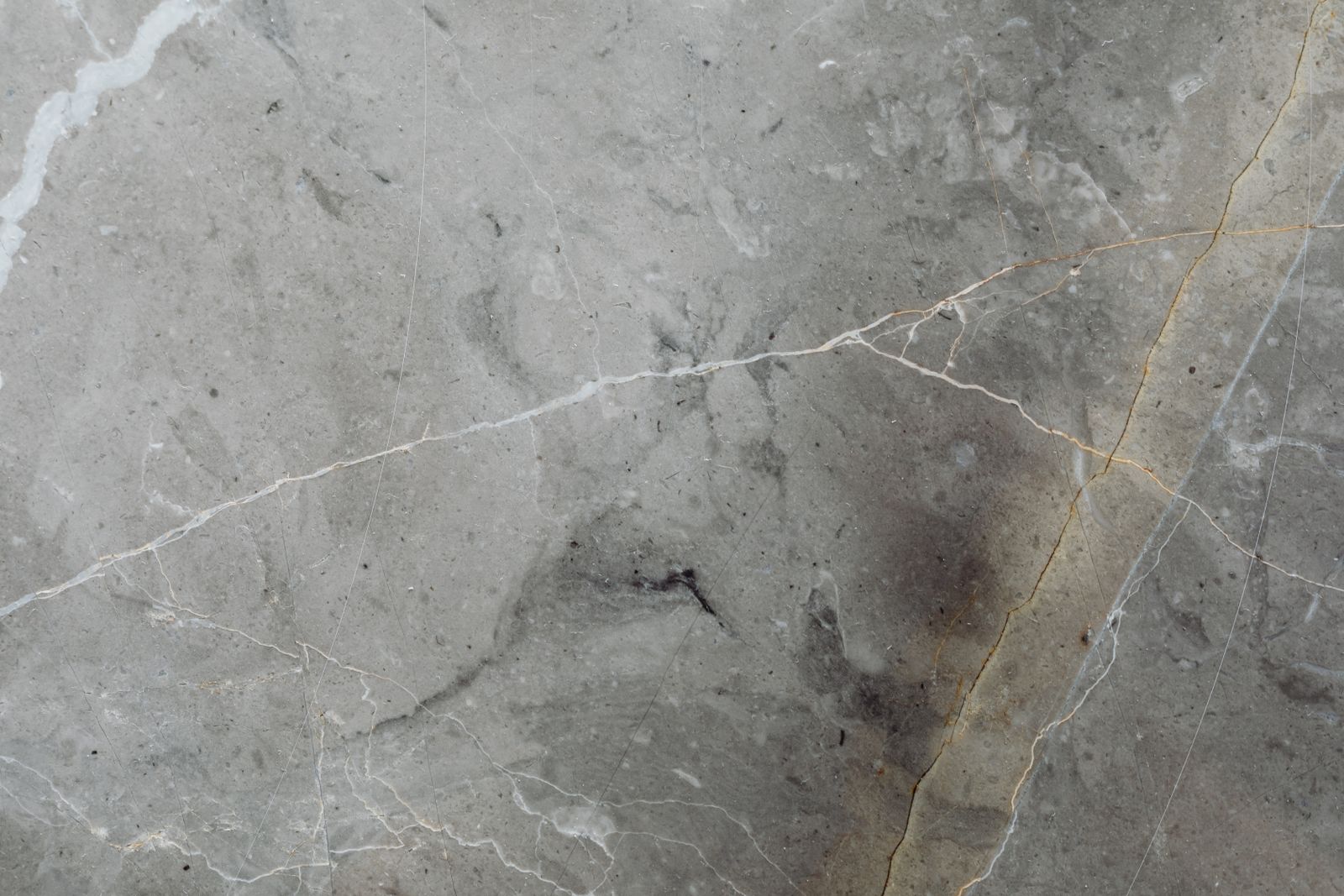
Domestic granite
ValueNatural igneous · Group A to B
- Maintenance
- Low, seal once a year
- Heat
- Takes a hot pan without complaint
- Best for
- Hard-working kitchens and anyone who cooks with cast iron
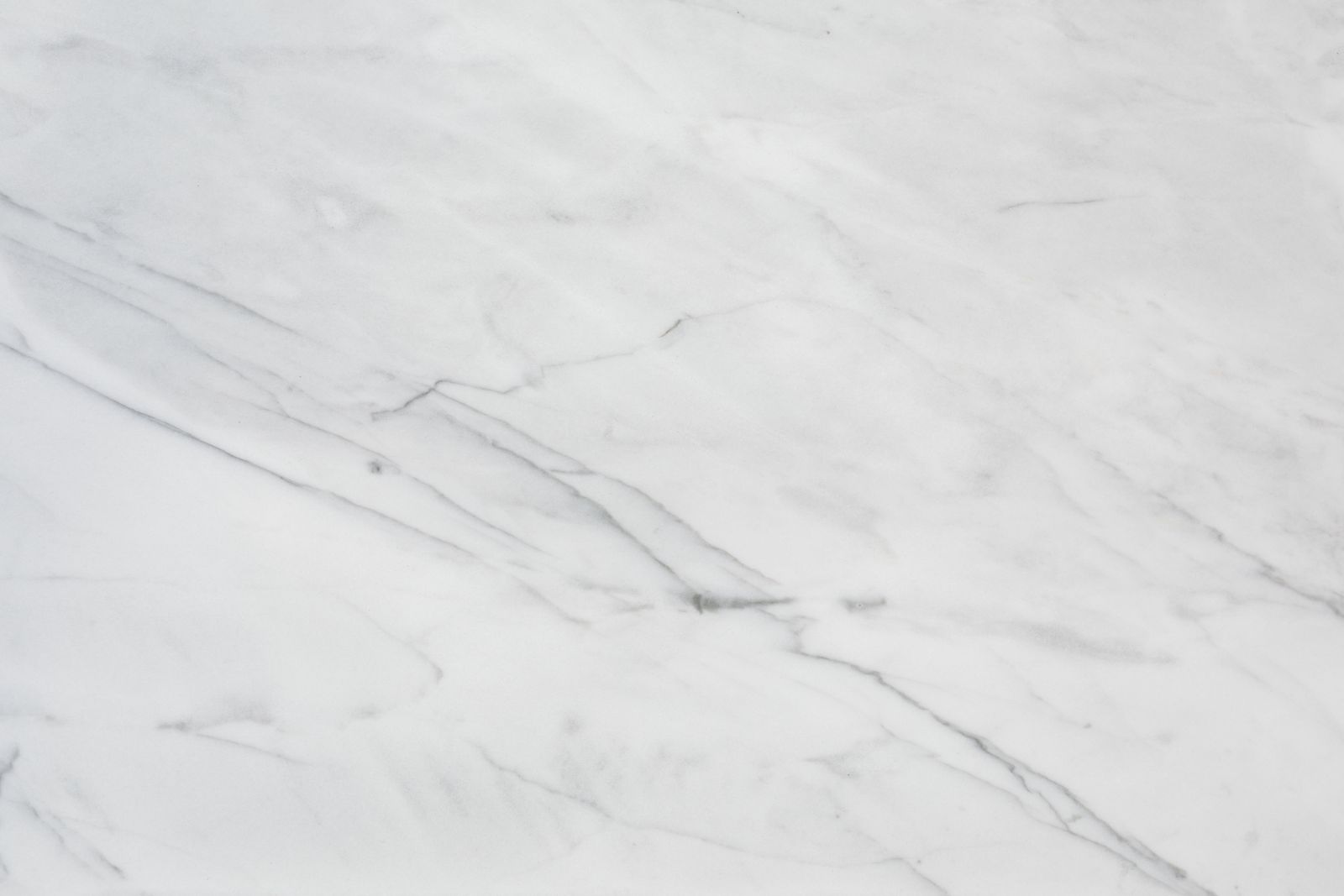
Quartzite
PremiumNatural metamorphic · Group C to D
- Maintenance
- Low to moderate, seal twice a year
- Heat
- Excellent heat tolerance
- Best for
- Marble looks without marble's etching behavior
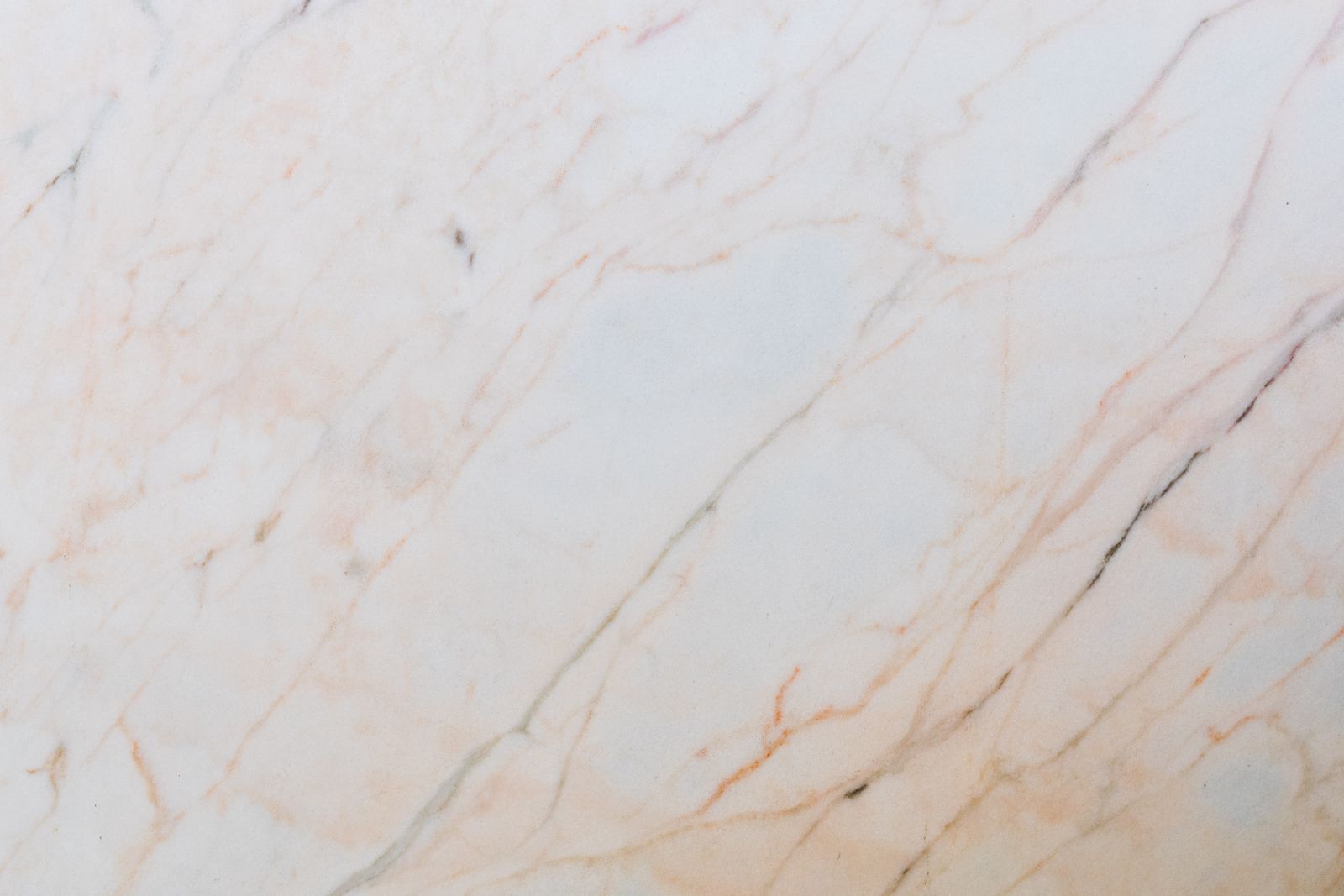
Honed marble
PremiumNatural metamorphic · Group B to D
- Maintenance
- Porous, seals help but do not prevent etching
- Heat
- Fine with heat, sensitive to acid
- Best for
- Baking stations and owners who welcome patina
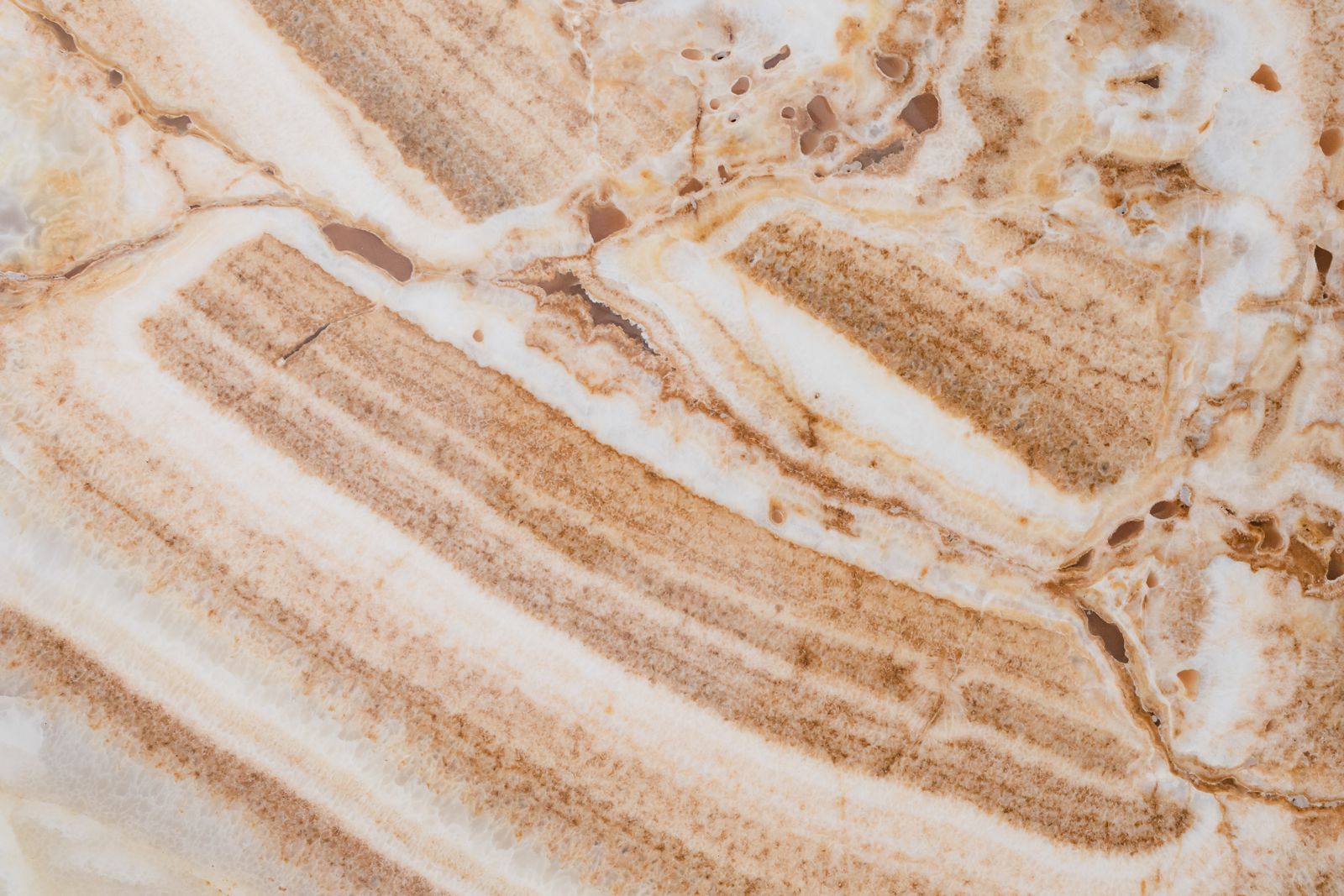
Soapstone
MidNatural metamorphic · Group B
- Maintenance
- Non-porous, oiled rather than sealed
- Heat
- Effectively heatproof
- Best for
- Period homes, farmhouse and Craftsman kitchens
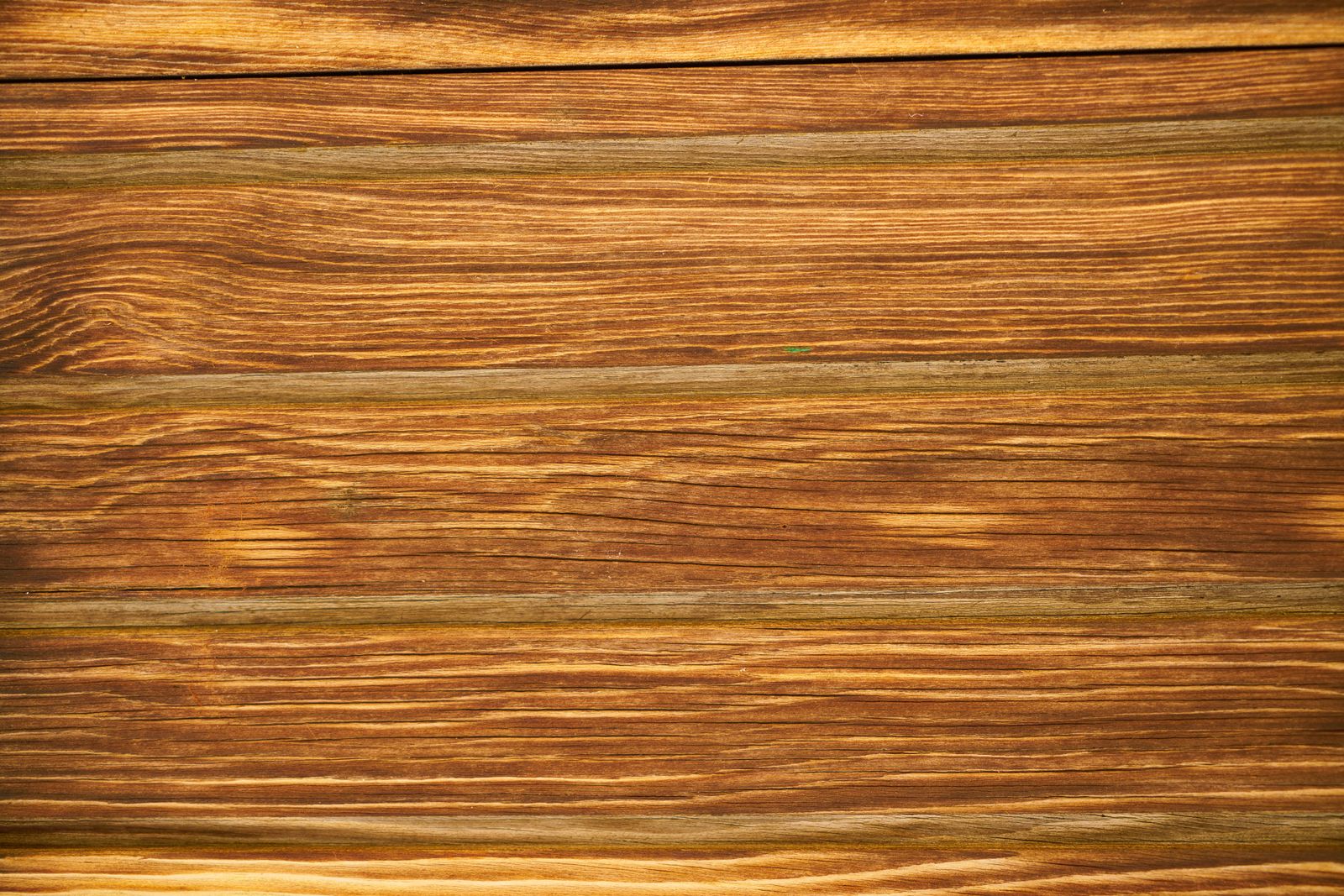
Solid wood top
MidEnd grain or edge grain · Not applicable
- Maintenance
- Oiled monthly for the first year
- Heat
- Never set a hot pan directly on it
- Best for
- Island prep zones and scullery counters
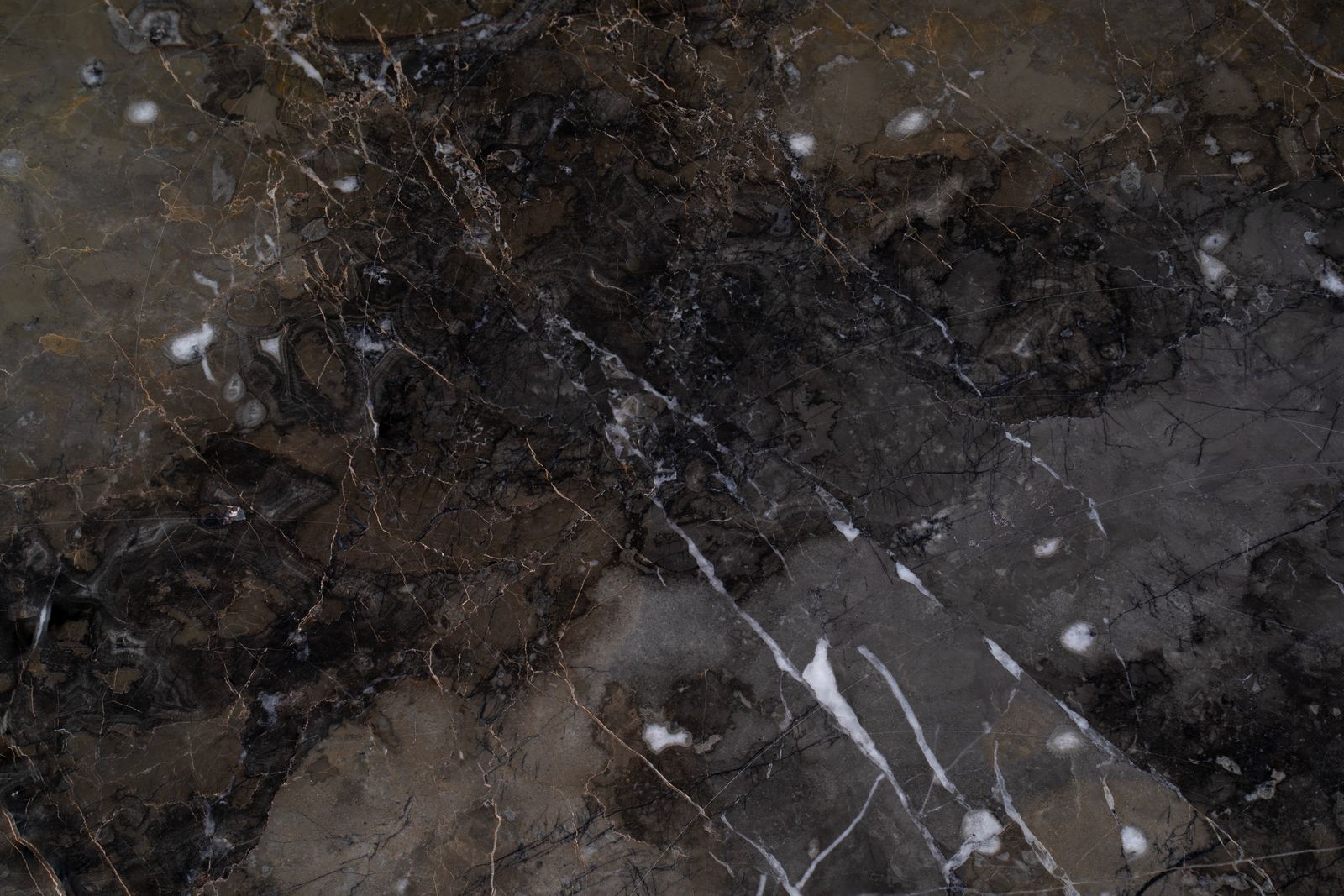
Porcelain slab
PremiumManufactured sintered · Group C
- Maintenance
- Non-porous, zero maintenance
- Heat
- Fully heatproof and UV stable
- Best for
- Waterfall ends, full-height splashes, outdoor kitchens
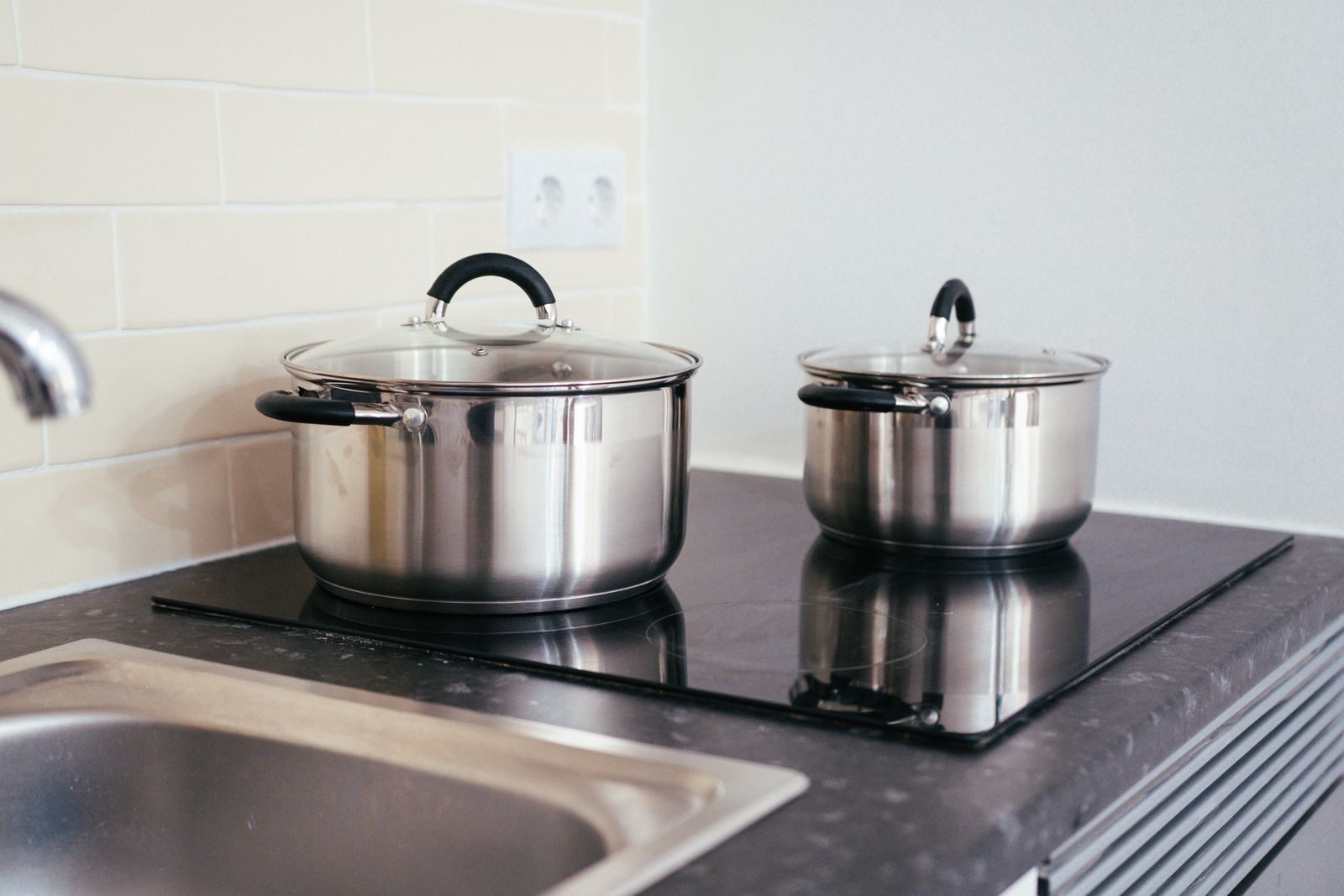
Stainless steel
MidFabricated metal · Not applicable
- Maintenance
- Non-porous
- Heat
- Heatproof and sanitizable
- Best for
- Scullery runs and serious home cooks
Six profiles, built in our own shop
Inset costs more because it takes far more shop time. Everything else on this list is a matter of taste, not quality.
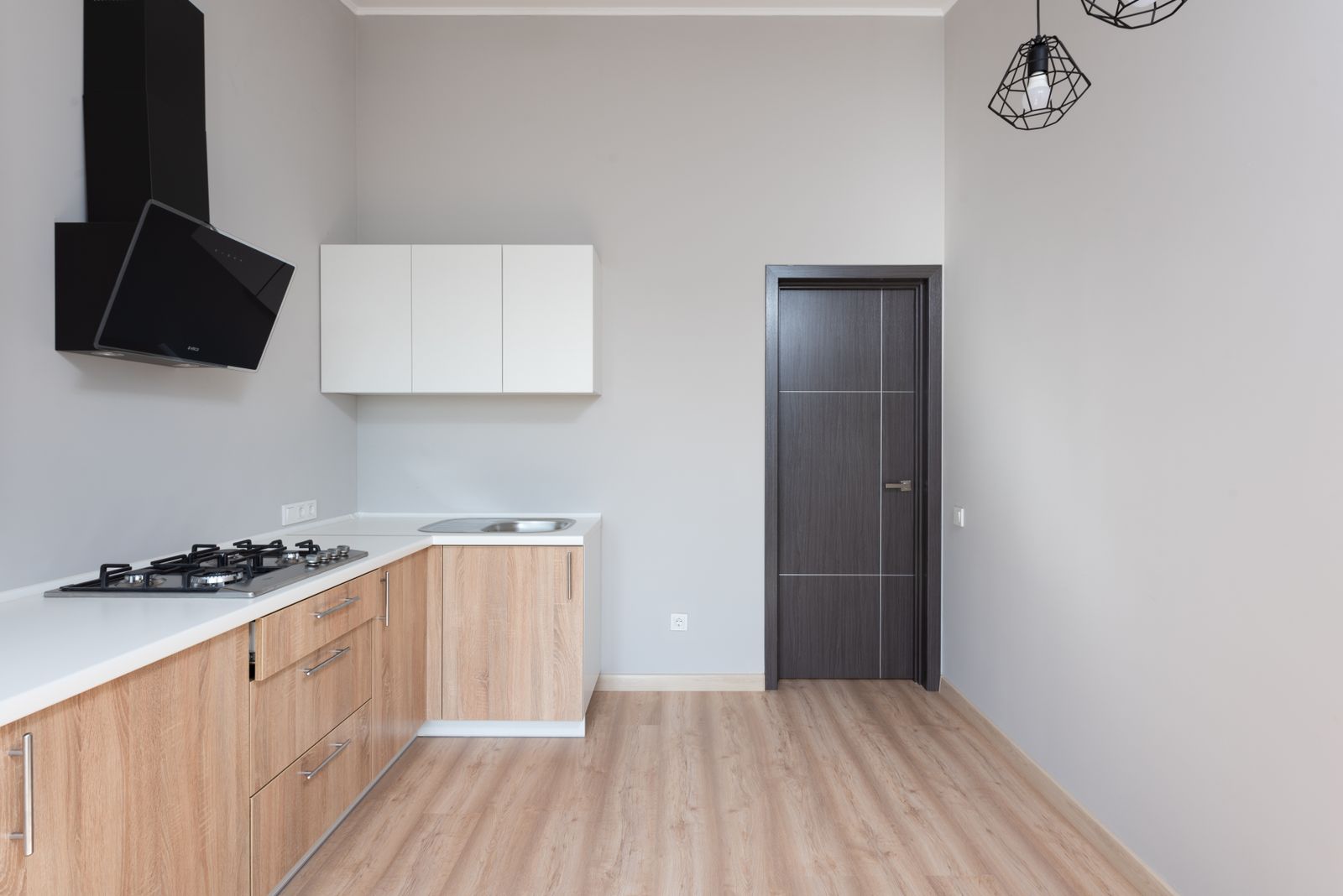
Every profile, every species
Any door on this list can be built in any of the six woods above.
Shaker, overlay
ValueFive-piece frame and panel, doors sit on the face frame
The efficient classic. Forgiving of an old house that is not perfectly square.
Shaker, inset
PremiumDoors set flush inside the face frame with a consistent reveal
Costs roughly 20 percent more and takes far more shop time. It is also the detail people notice.
Slab
MidSingle flat panel, veneered or painted
Shows grain and finish with nowhere to hide. Beautiful in rift oak or ash.
Beaded inset
PremiumInset door with a bead milled into the face frame
The most traditional profile we build, and the right answer in some older Madison homes.
Raised panel
MidProfiled center panel inside a shaped frame
Out of fashion and back again. Works when the rest of the house is genuinely traditional.
Reeded slab
PremiumSlab door with milled vertical reeding
Reserve it for an island or a bar run. A full kitchen of reeding is a lot of kitchen.
Finishes, and how they age
Unlacquered brass is the one people either love or return. It changes constantly, which is the whole point of it.
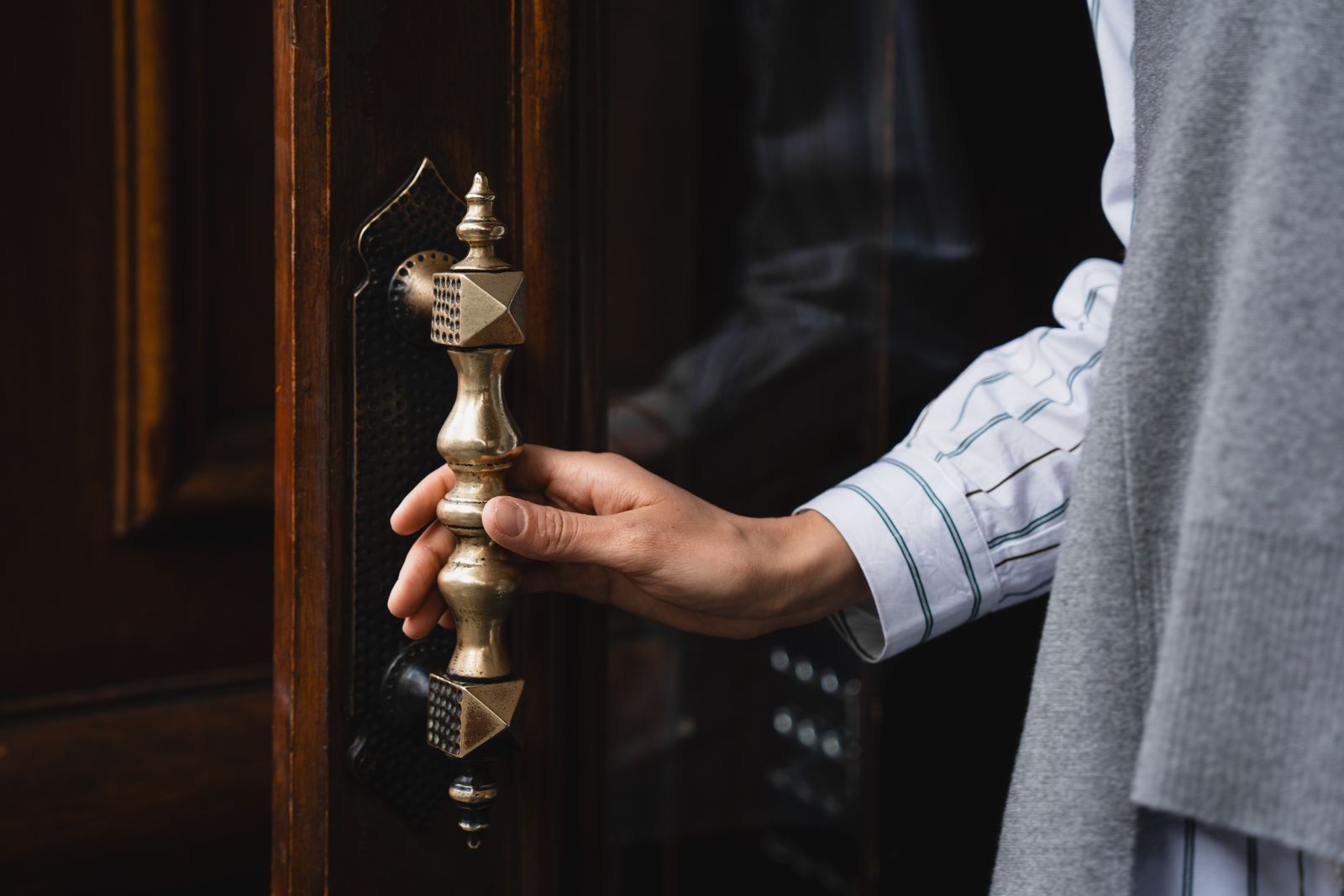
Try before you commit
Loose samples of every finish live in the studio drawer. Take a pull home and hold it against your paint.
Unlacquered brass
Bright gold on day one, warm and mottled within a year
- Ages
- Patinas continuously and can be polished back
- Pairs with
- Deep green, chalk white, walnut
Antique brass
Pre-aged, stable, no maintenance
- Ages
- Stays as delivered
- Pairs with
- White oak, honed stone, warm neutrals
Oil-rubbed bronze
Near black with copper highlights on the wear edges
- Ages
- Highlights brighten where hands touch it
- Pairs with
- Farmhouse, Craftsman and darker palettes
Brushed nickel
Soft neutral silver, hides fingerprints
- Ages
- Stable
- Pairs with
- Cool greys, quartz, contemporary slab doors
Matte black
Flat graphite with no sheen
- Ages
- Stable, shows dust on horizontal surfaces
- Pairs with
- Linen white, high-contrast schemes
Polished chrome
Mirror bright, the most reflective option
- Ages
- Stable, shows water spots
- Pairs with
- Marble, glossy tile, classic kitchens
Island, peninsula, banquette or nothing at all
Compared on the only number that matters first: how much clear room width each one needs before it becomes an obstacle.
Islands and seating| Layout | Needs | Seats | Works because | Costs you |
|---|---|---|---|---|
| Freestanding island | 13 ft of clear room width | 2 to 5 |
|
|
| Peninsula | 10 ft of clear room width | 2 to 3 |
|
|
| Banquette corner | 8 ft in a corner | 4 to 6 |
|
|
| Rolling work table | Any room with 36 in aisles | 0 to 2 |
|
|
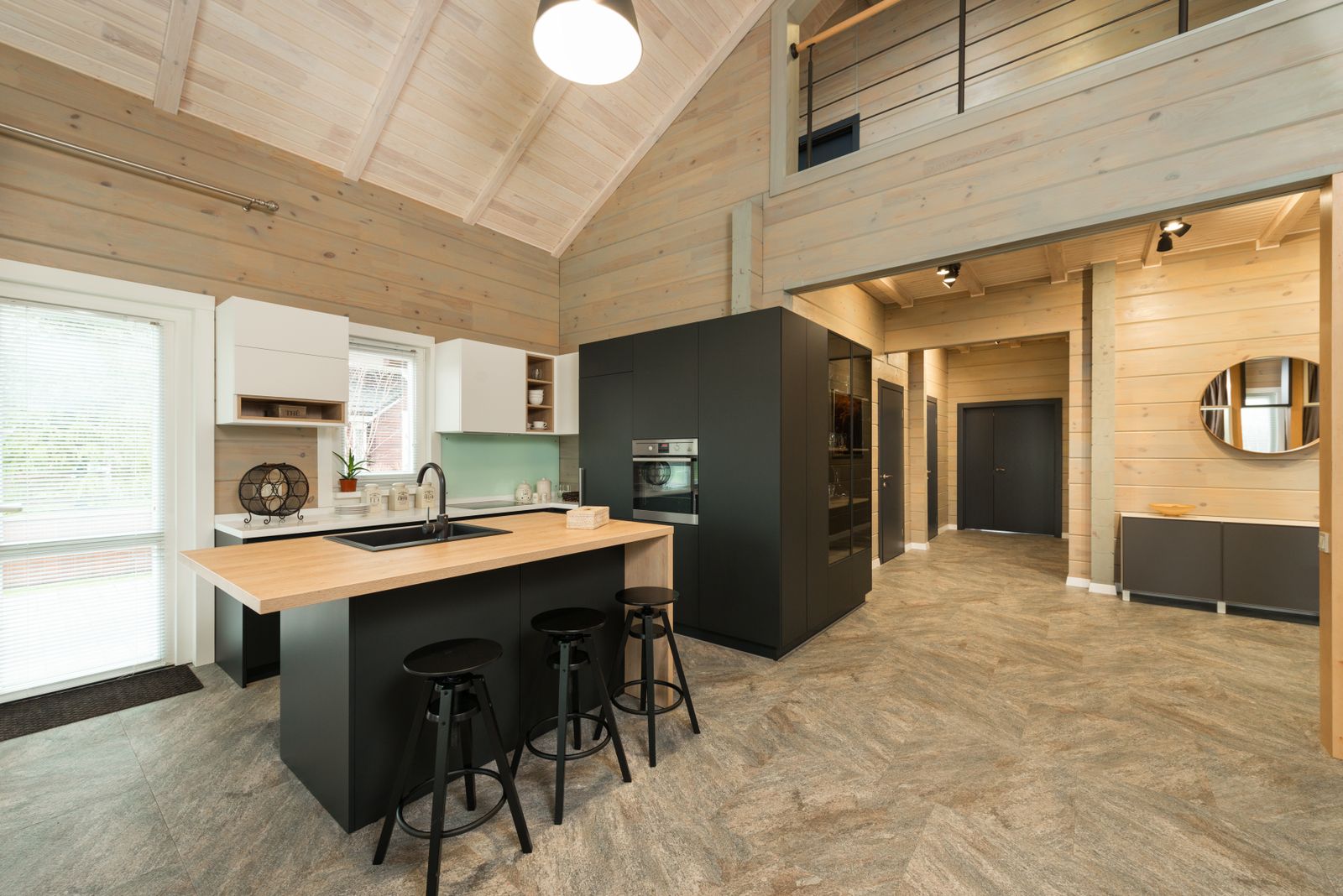
Freestanding island
The right answer when the room genuinely has the width. Below 13 feet it becomes an obstacle.
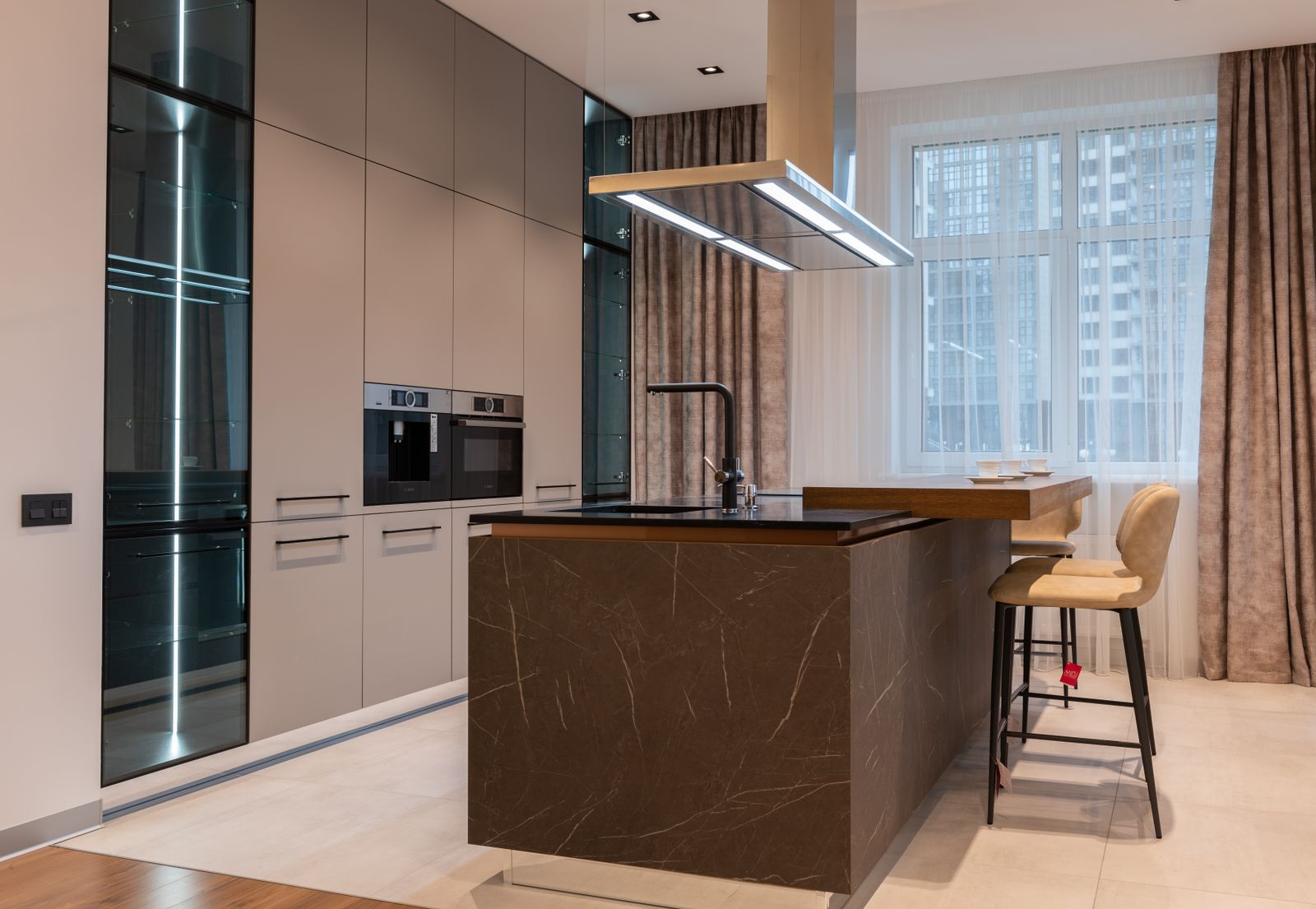
Peninsula
Underrated. In most Madison bungalows a peninsula beats a cramped island every time.
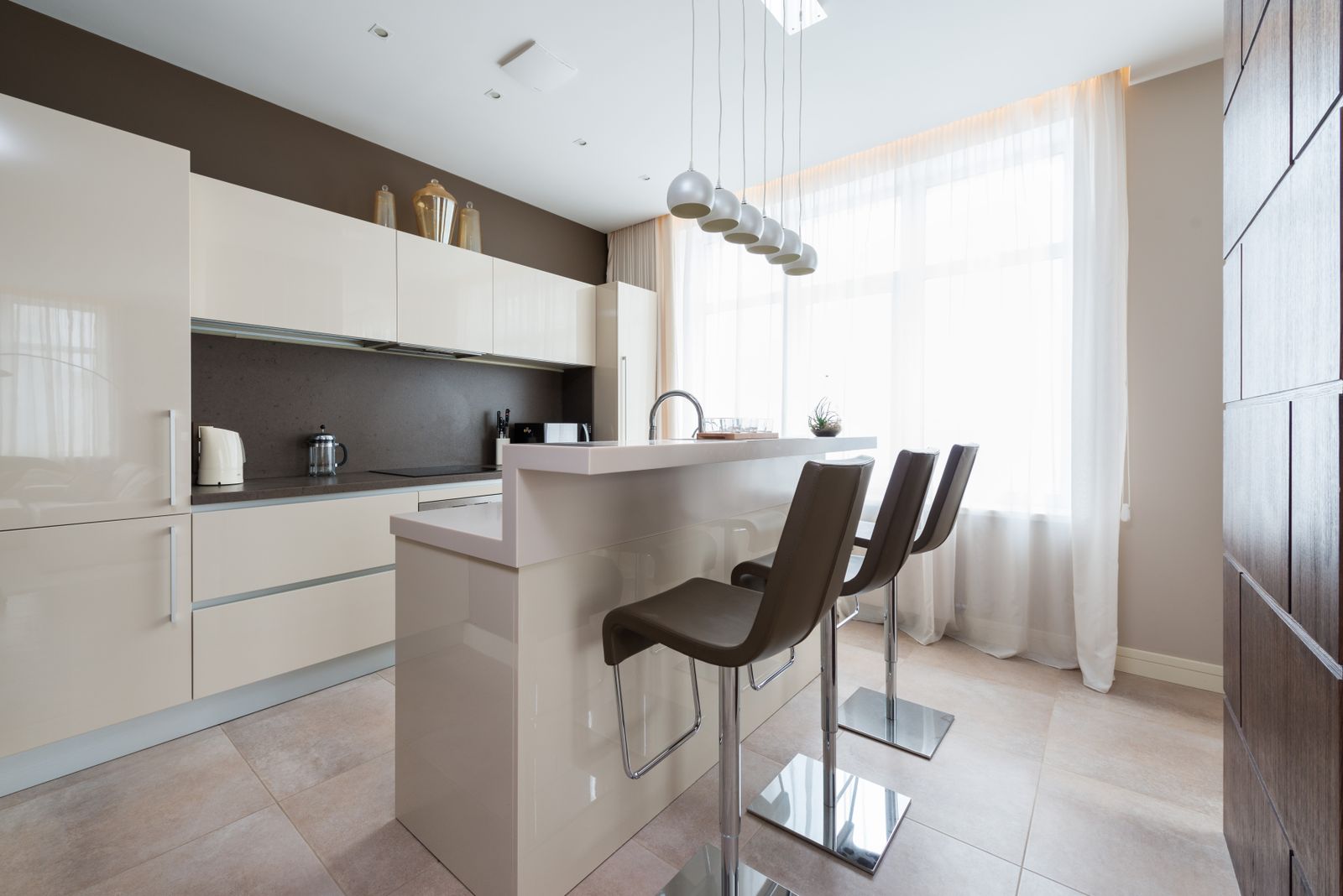
Banquette corner
Our pick when the brief is really about eating together rather than prep surface.
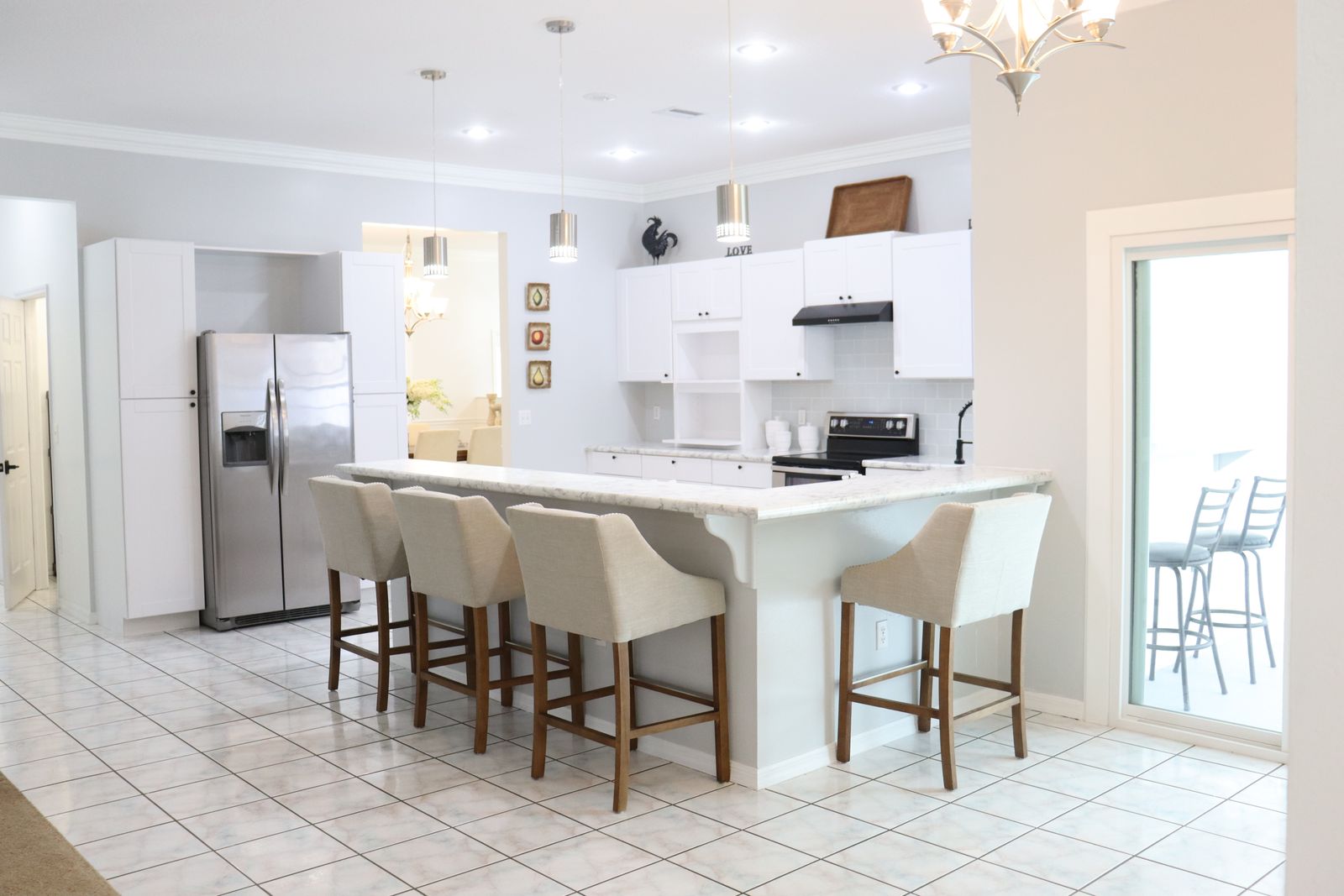
Rolling work table
Worth trying for a month before committing to built work. It tells you whether you want an island at all.
Take the samples home, keep them as long as you like
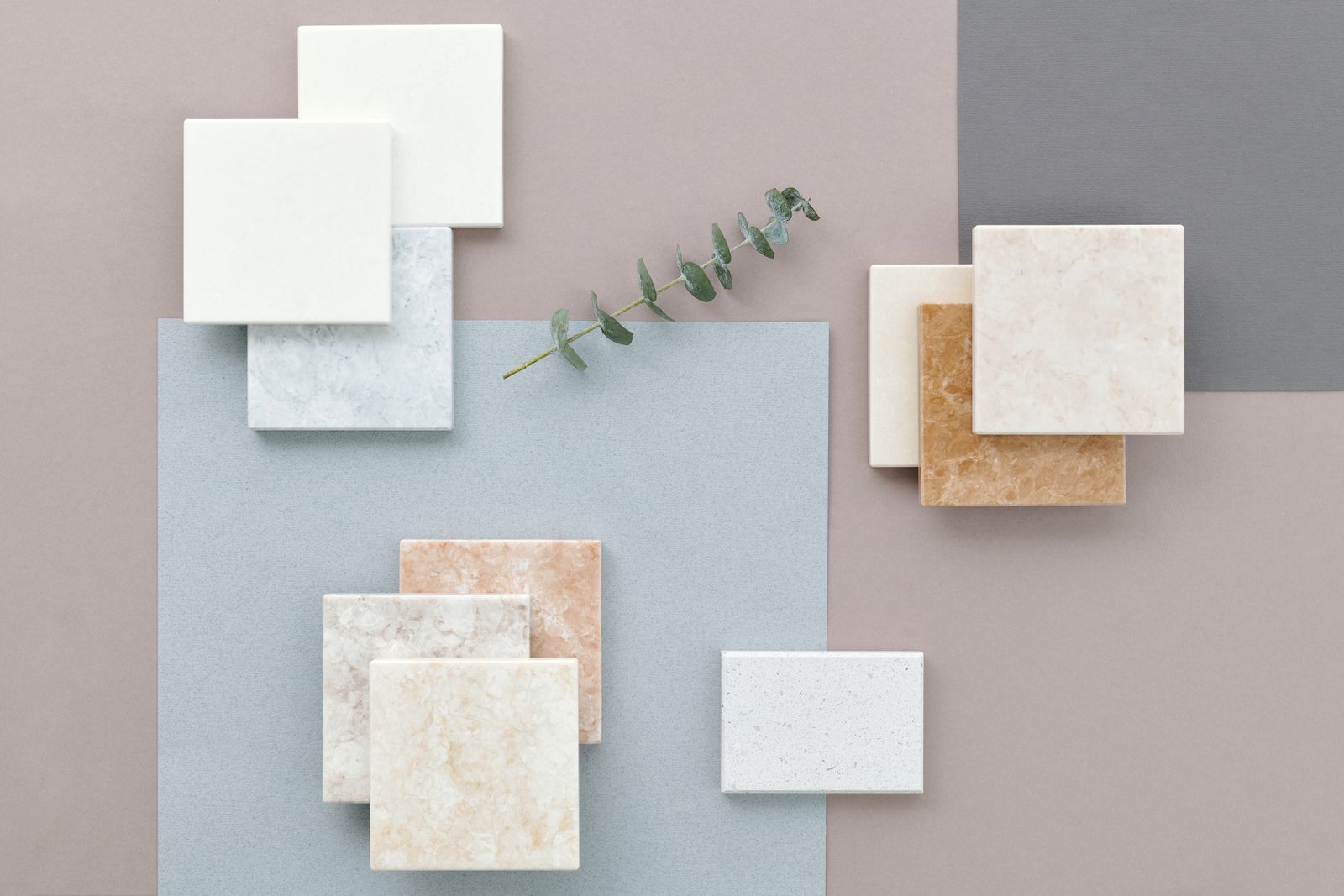
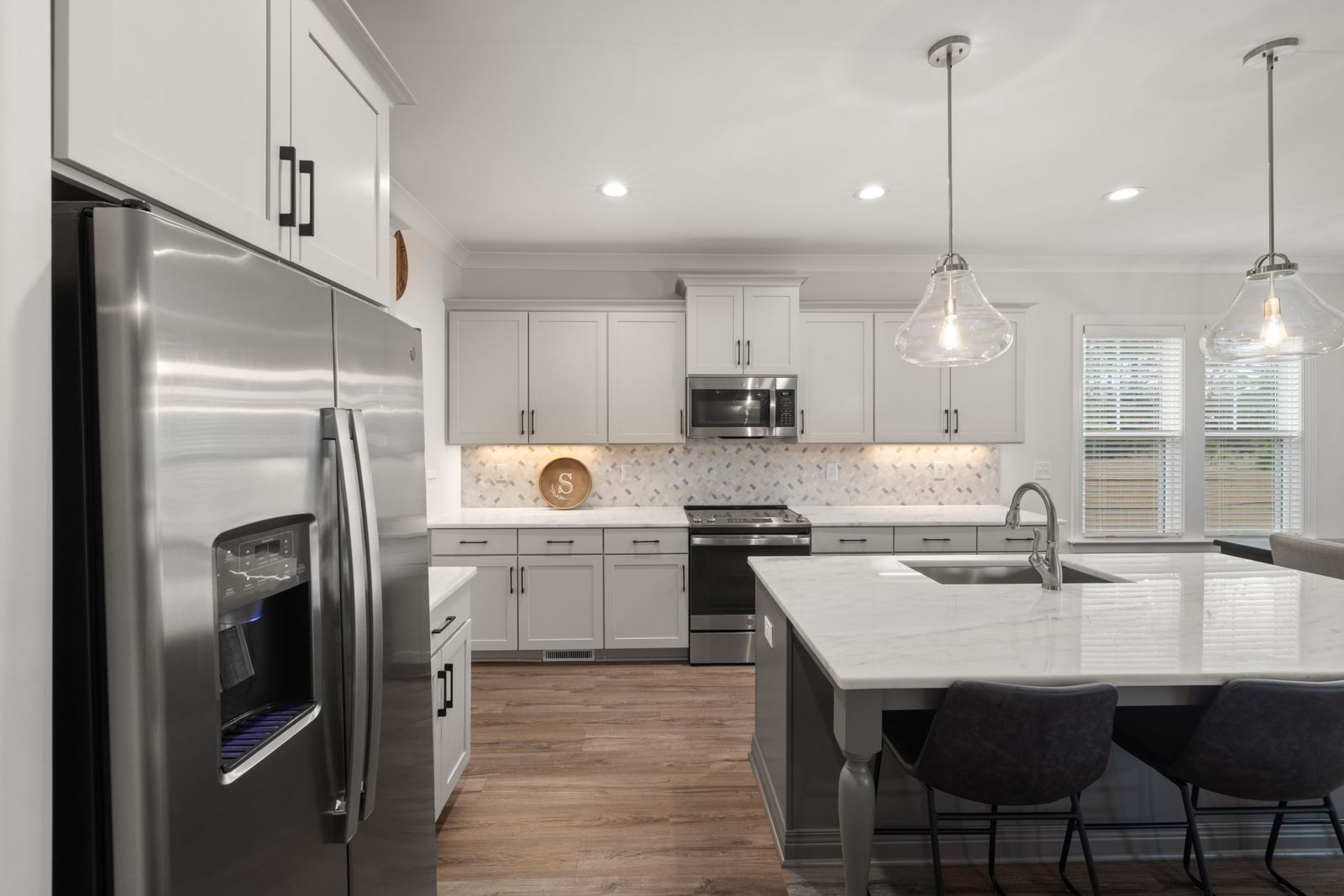
A four-inch chip in showroom lighting tells you almost nothing. Full-size door samples, stone offcuts and hardware go home with you free, and there is no deadline to bring them back. Seeing walnut in a north-facing Madison kitchen in February is the entire reason we do this.
Stone, species and hardware in one sitting
Ninety minutes, no charge, no obligation. Door samples go home with you the same day.
Showroom on Atwood Avenue, Tue to Fri 9 to 5 and Sat 10 to 3.