Kitchen flooring
Kitchen floors take spills, dropped cast iron and a chair scraping back four times a day. The material matters, and so does what goes underneath it.
- From $3,400
- 4 to 9 days on site
- Fixed price at contract
Is this the right scope for your kitchen?
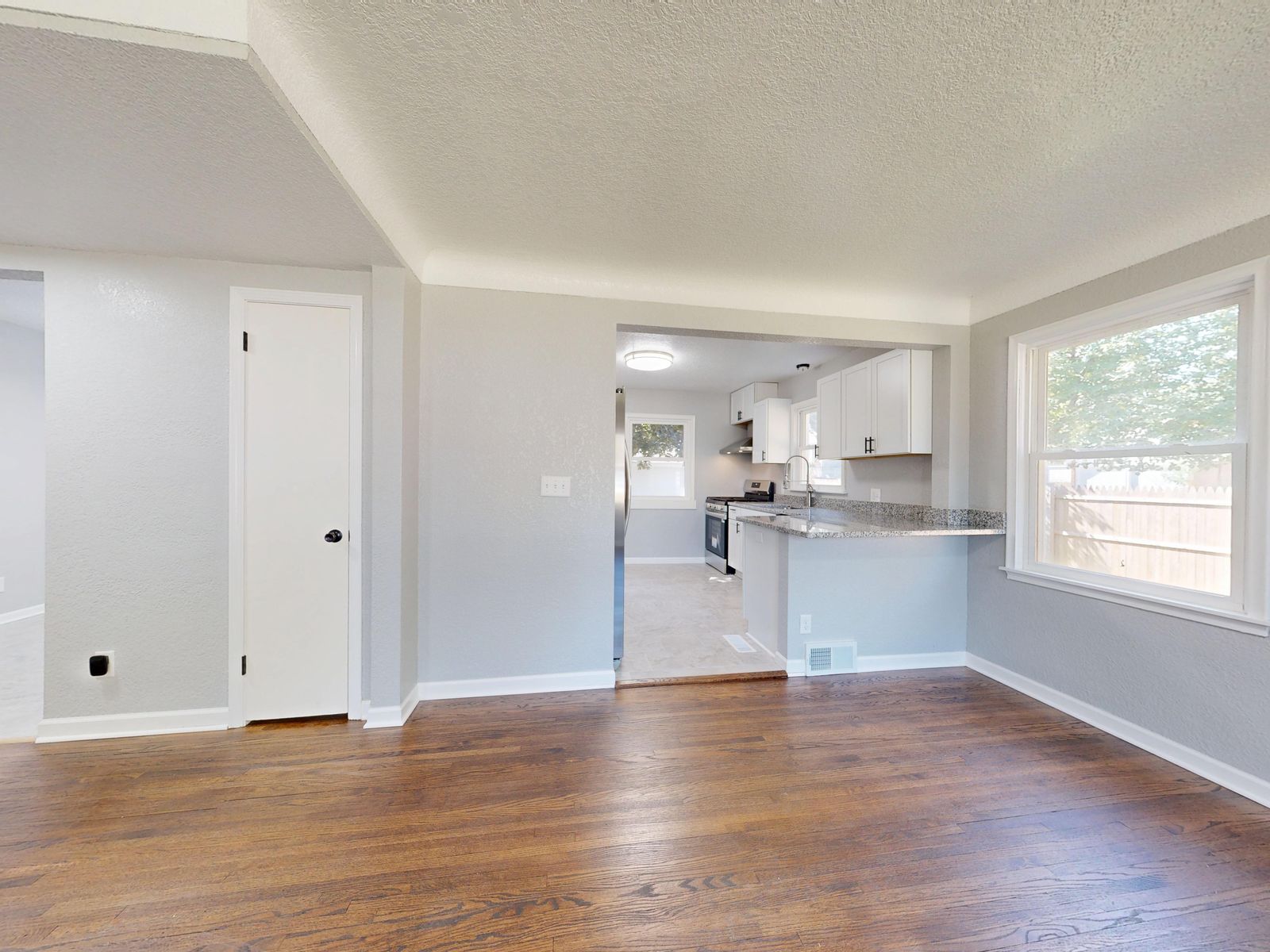
In older Madison homes, the honest answer is usually to refinish or extend the existing oak rather than introduce a new material with a transition strip at every doorway. Continuity across the first floor makes a house feel larger.
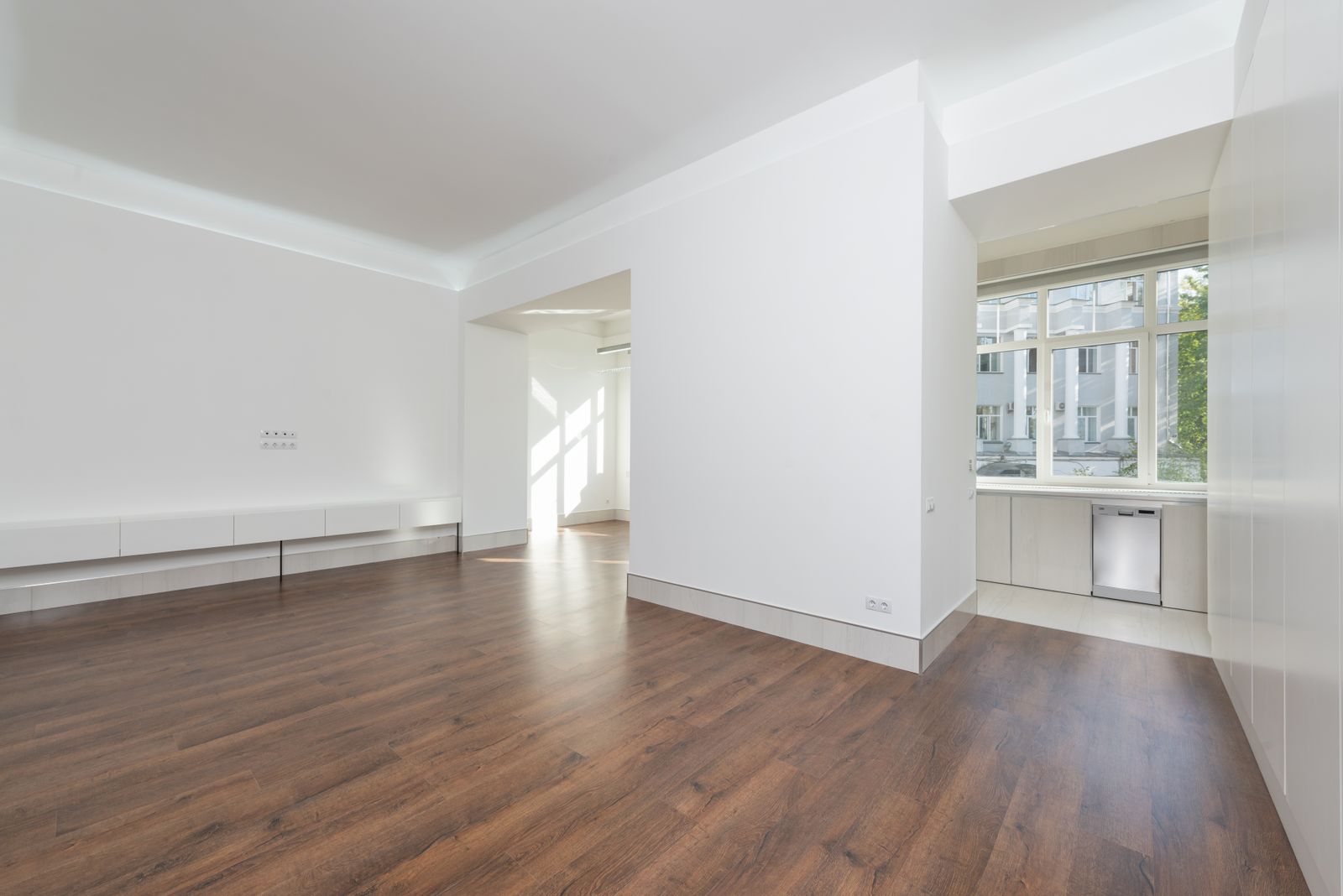
Where the kitchen is on a slab, over radiant heat or in a lower level, porcelain that reads as wood or stone is the more durable choice, and it is far better than it was ten years ago.
Subfloor preparation is where flooring jobs succeed or fail. We check flatness across the whole room and correct it before any plank or tile goes down.
Everything in the line item, spelled out
If it is not on this list it is not in the price, and we will say so before you sign rather than after.
Subfloor assessment
Flatness measured across the room, squeaks fixed, deflection checked against the material's requirements.
Moisture testing
Required for slabs and lower levels before wood or engineered products are installed.
Material install
Nailed, glued or floating as the product and substrate require, with proper expansion gaps.
Transitions and thresholds
Flush or minimal transitions to adjoining rooms, milled from the same material where possible.
Finish and cure
Site finish in hardwax oil or waterborne poly, or factory finish protected until the project ends.
Toe kick and base
Base and shoe molding cut to the new floor height, painted or stained to match.
From first conversation to final walkthrough
Assess the existing floor
We lift a board or a vent cover to see the species, thickness and remaining wear layer.
Choose continue or replace
Matching into existing oak is often cheaper and always looks better than a transition.
Prep the subfloor
Flatten, fasten, patch, then dry-fit the first three rows.
Install
Racked for color and grain so no two similar boards sit together.
Finish
Sanded and finished on site, or protected if factory finished, then base installed last.
What you get out of it
- Existing oak matched and woven in rather than butt-jointed with a strip
- Subfloor flatness corrected before anything is installed
- Hardwax oil options that can be spot repaired instead of fully resanded
- Porcelain options for slabs and radiant heat
- Base and shoe handled by the same crew
What moves the number, in order
Cabinetry and stone are predictable. These are the variables that actually change a budget.
See financingMaterial
Engineered white oak, solid oak, luxury vinyl plank and porcelain span a wide price range.
Weaving into existing floors
Lacing new boards into an old floor is skilled hand work and costs more per square foot than a fresh install.
Subfloor condition
Self-leveling compound over a badly dished floor adds material and a cure day to the schedule.
Finish choice
Site-finished floors need cure time you cannot walk on. Factory-finished planks are usable the same day.
Often booked alongside this
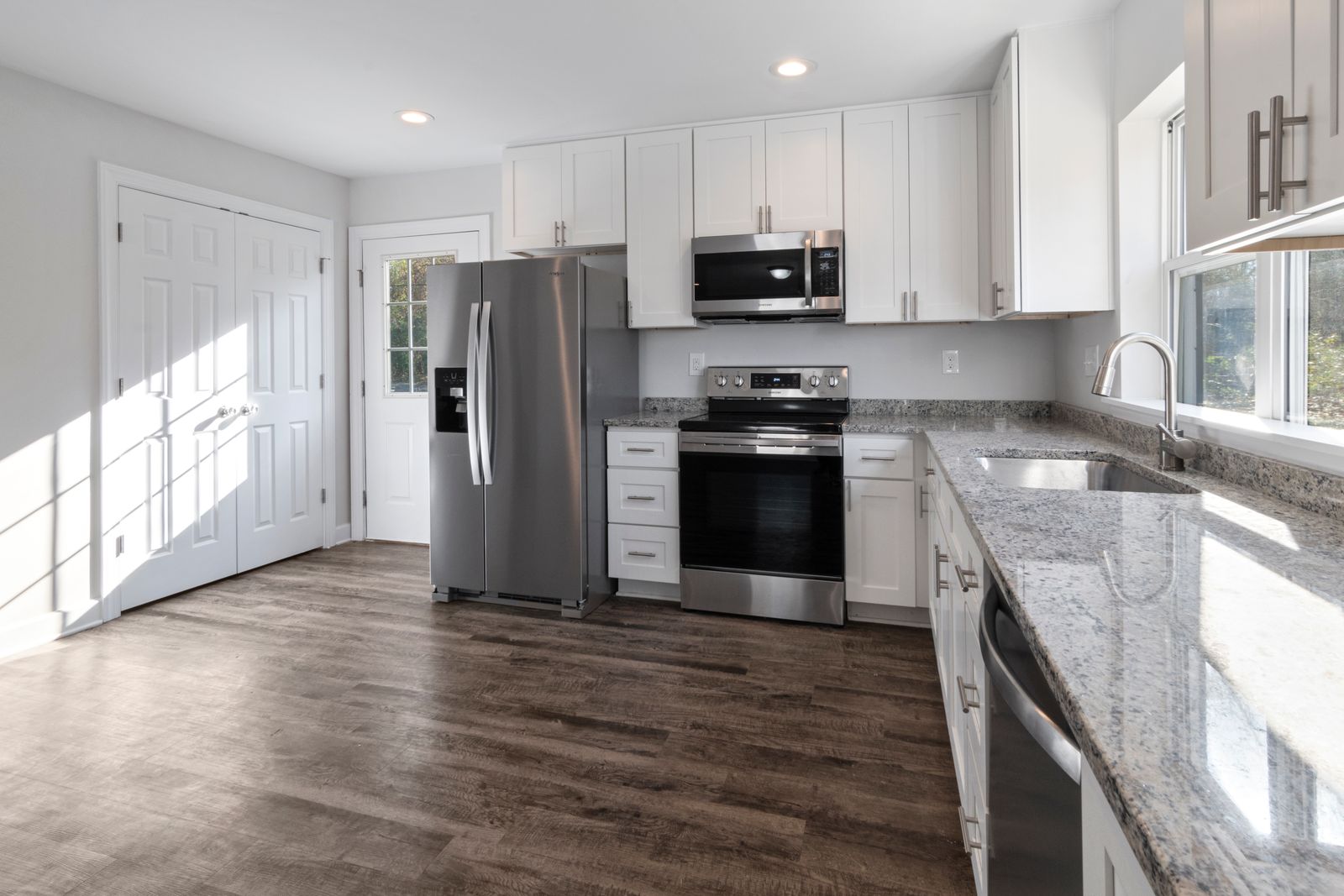
Full kitchen remodel
Layout, cabinetry, stone and finishes handled by one crew, start to finish.
From $48,000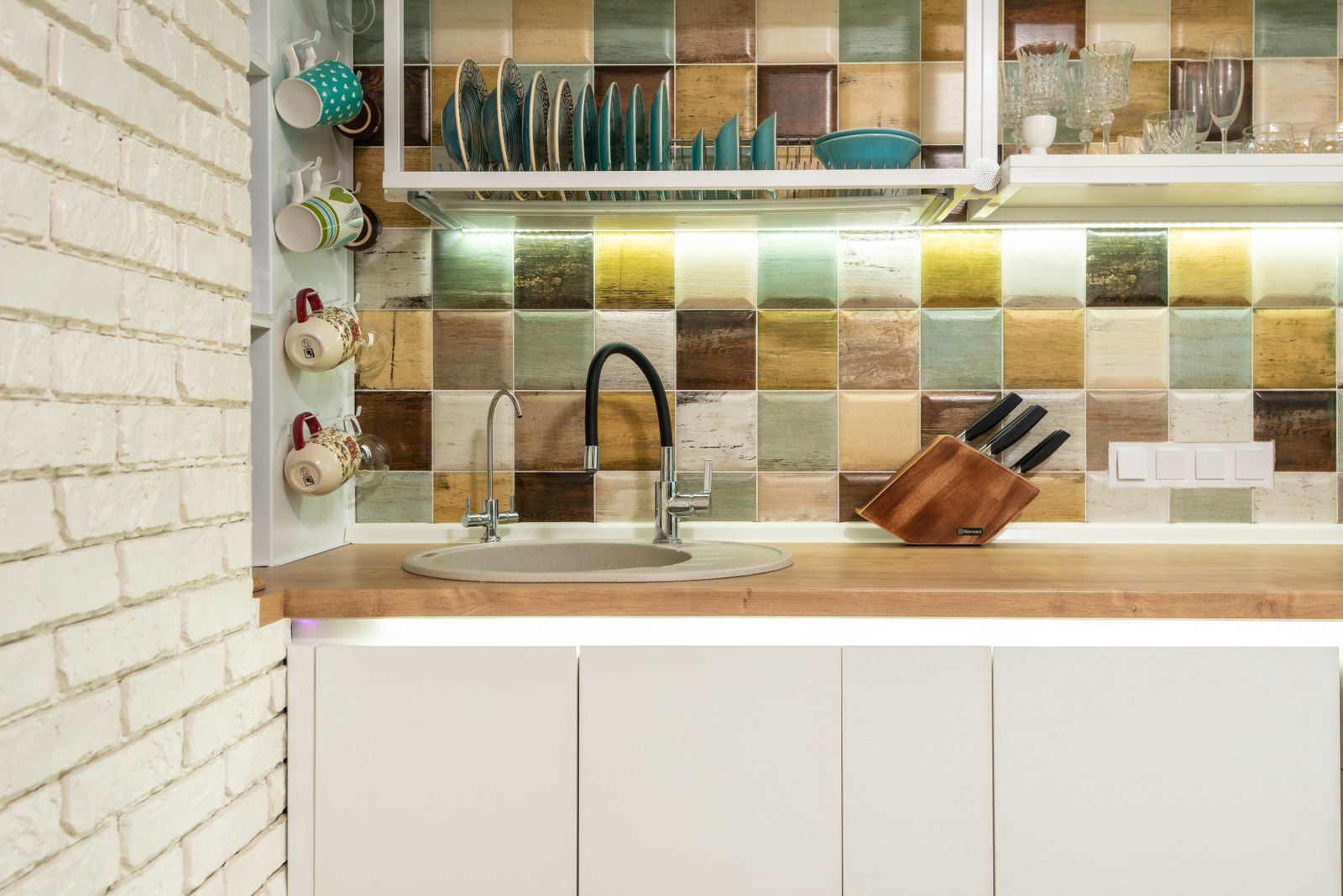
Backsplash & tile
Zellige, handmade subway and full-slab backsplashes set by tile-setters who do this daily.
From $2,900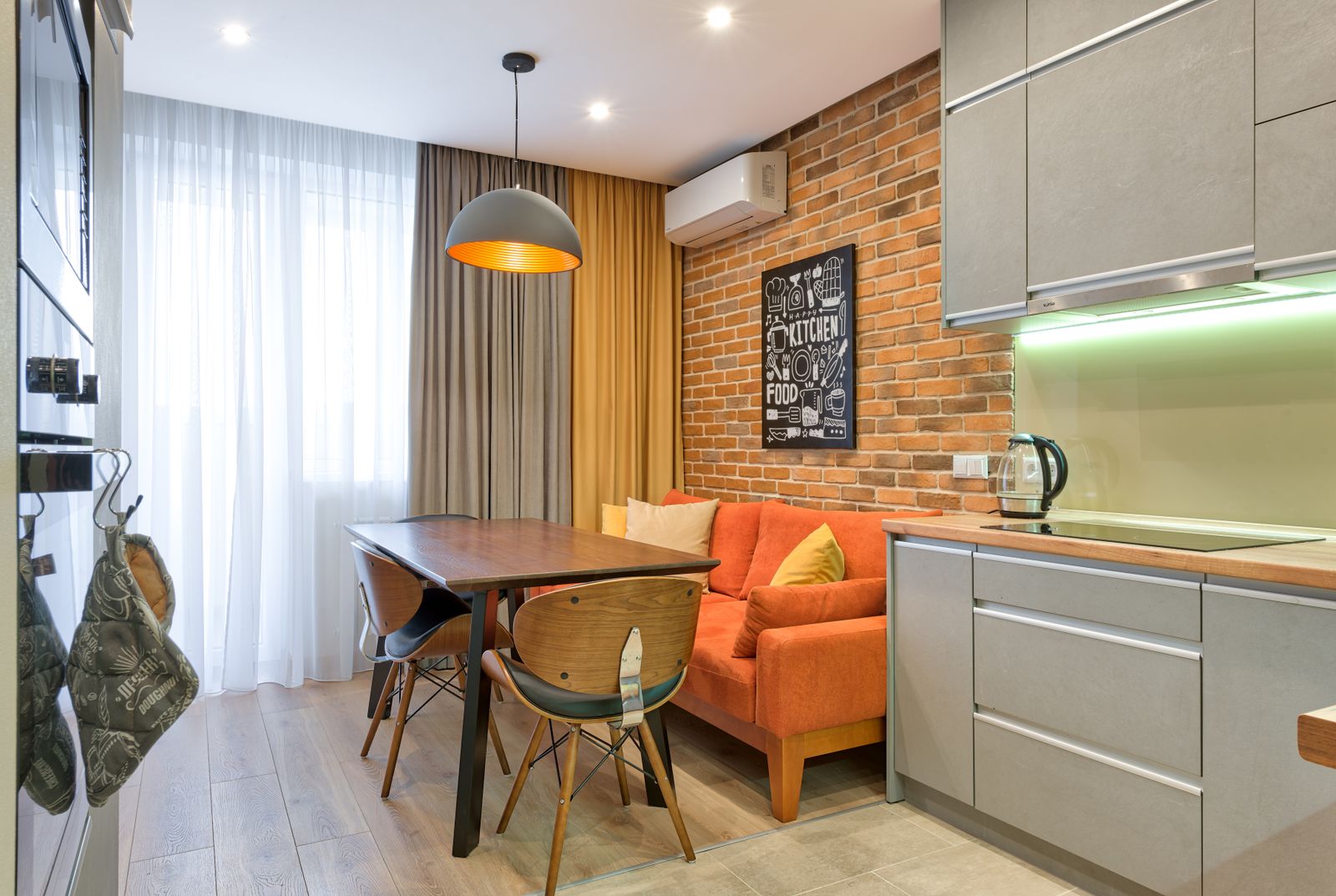
Small & galley kitchens
Condo, bungalow and galley plans that make every inch do a job.
From $26,000
About kitchen flooring
Answers from the questions we get asked most at the sample bench.
Usually. Most Madison homes of that era used 2.25-inch red oak strip. We source the same width, weave it into the existing field and sand the whole area together so the seam disappears.
No, provided you wipe up standing water rather than letting it sit. Millions of kitchens have had wood floors for a century. A good finish and a mat at the sink handle the rest.
We install under the cabinet run in most cases. It looks correct at the toe kick, it handles a future cabinet change, and it avoids a visible cut line at the island.
Porcelain and engineered wood both work over radiant. Solid hardwood is riskier because of seasonal movement, and we will talk you out of it.
Bring a photo of your kitchen. Leave with a real number.
Ninety minutes, no charge, no obligation. Door samples go home with you the same day.
Showroom on Atwood Avenue, Tue to Fri 9 to 5 and Sat 10 to 3.