Why your kitchen feels dim with eight lights in the ceiling
More recessed cans is almost never the answer. A four-layer plan, four dimmers and one consistent color temperature will transform a room that eight ceiling fixtures could not.
Here is the most common lighting complaint we hear, almost word for word: we have eight recessed lights in there and I still cannot see what I am chopping.
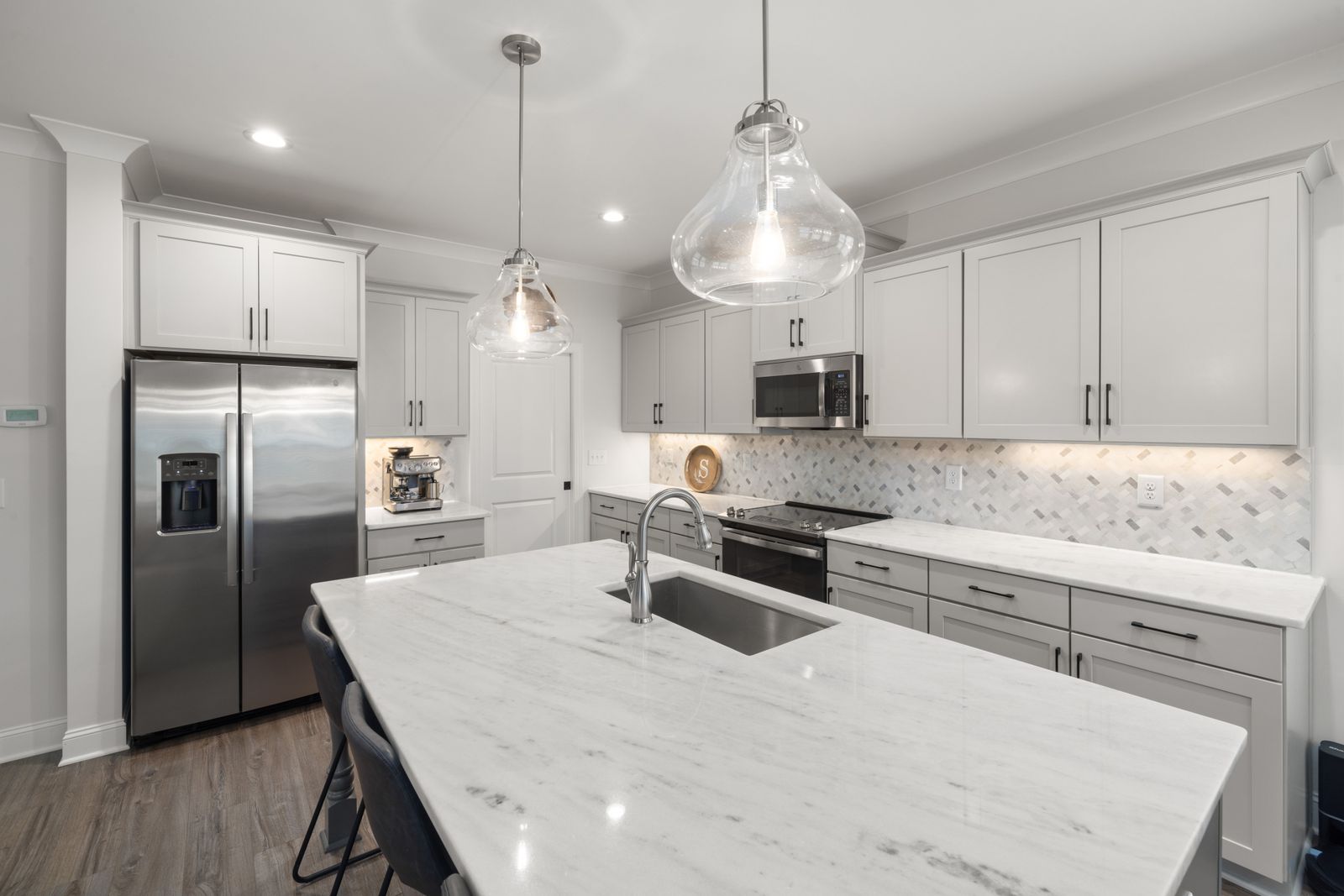
The problem is not quantity. It is that every one of those eight fixtures is behind you when you stand at the counter, which means your own body casts a shadow onto exactly the surface you are trying to see.
Four layers, four switches
A kitchen needs four distinct lighting layers, each on its own dimmer. Most kitchens have one and a half.
Ambient
General fill for the room. Recessed fixtures, a flush mount, or a cove. This is the layer everyone already has, and usually too much of it. A typical 200 square foot kitchen needs four to six recessed fixtures, not twelve.
Task
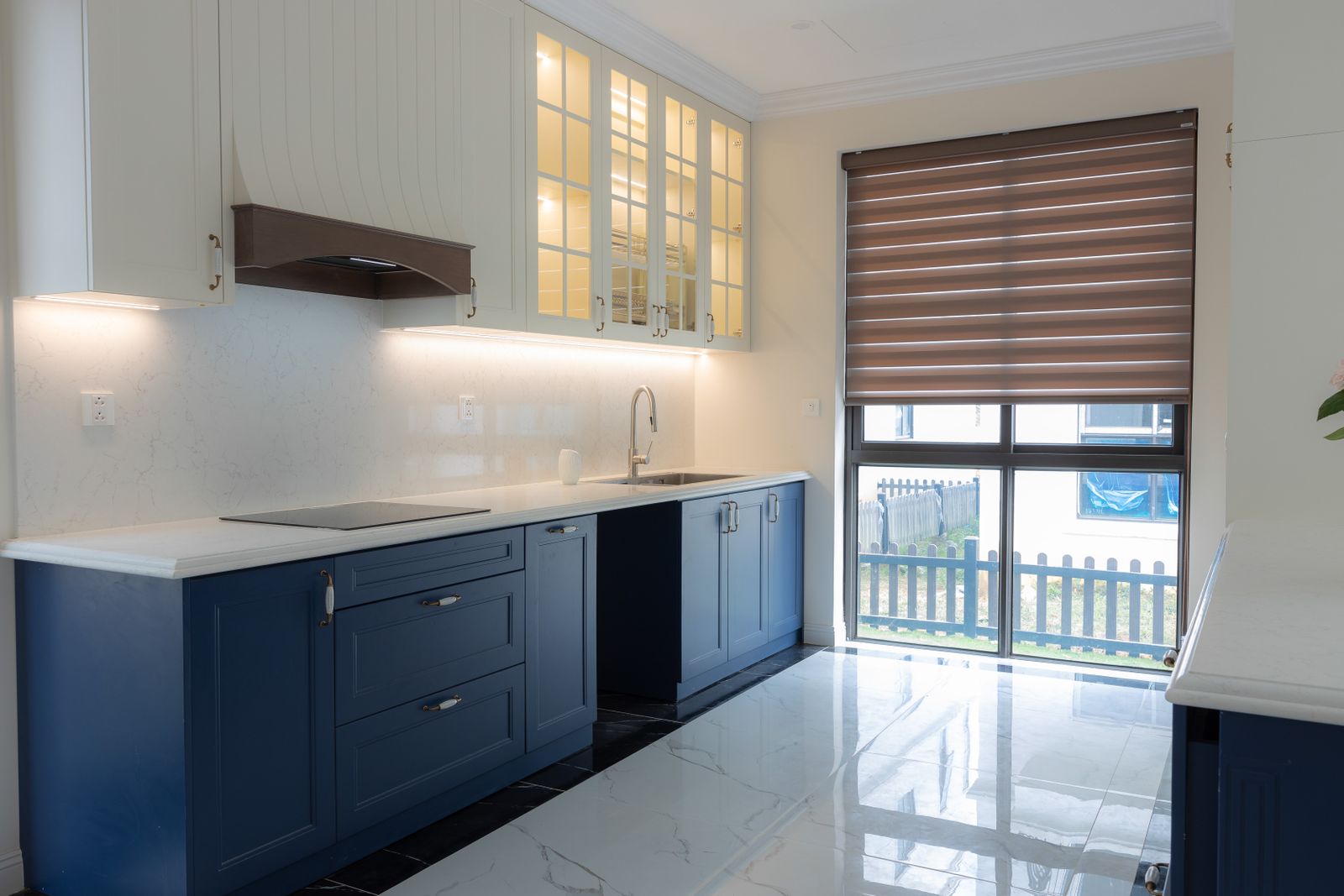
Light on the working surface, coming from in front of you rather than behind. In practice this means continuous linear LED mounted at the front edge of the upper cabinet, behind a light rail so you never see the source.
This is the highest-value change available in most kitchens, and it is frequently retrofittable without a full remodel. If you do one thing to your current kitchen, do this.
Accent
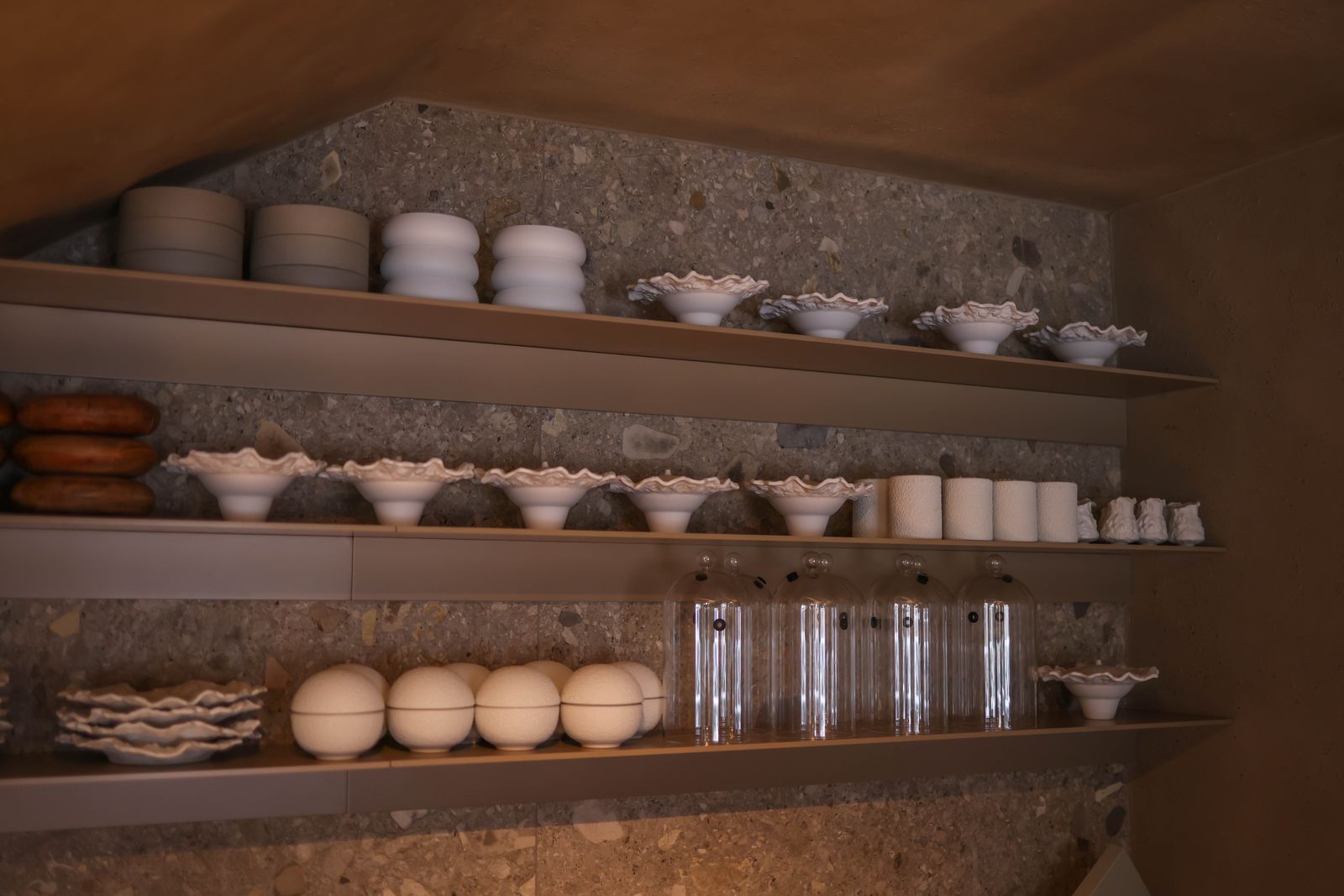
Light inside glass cabinets, above open shelving, or washing a tile wall. This layer does nothing functional and everything for how the room feels at night. It is also what lets you turn everything else down to twenty percent and still have a kitchen that looks alive.
Decorative
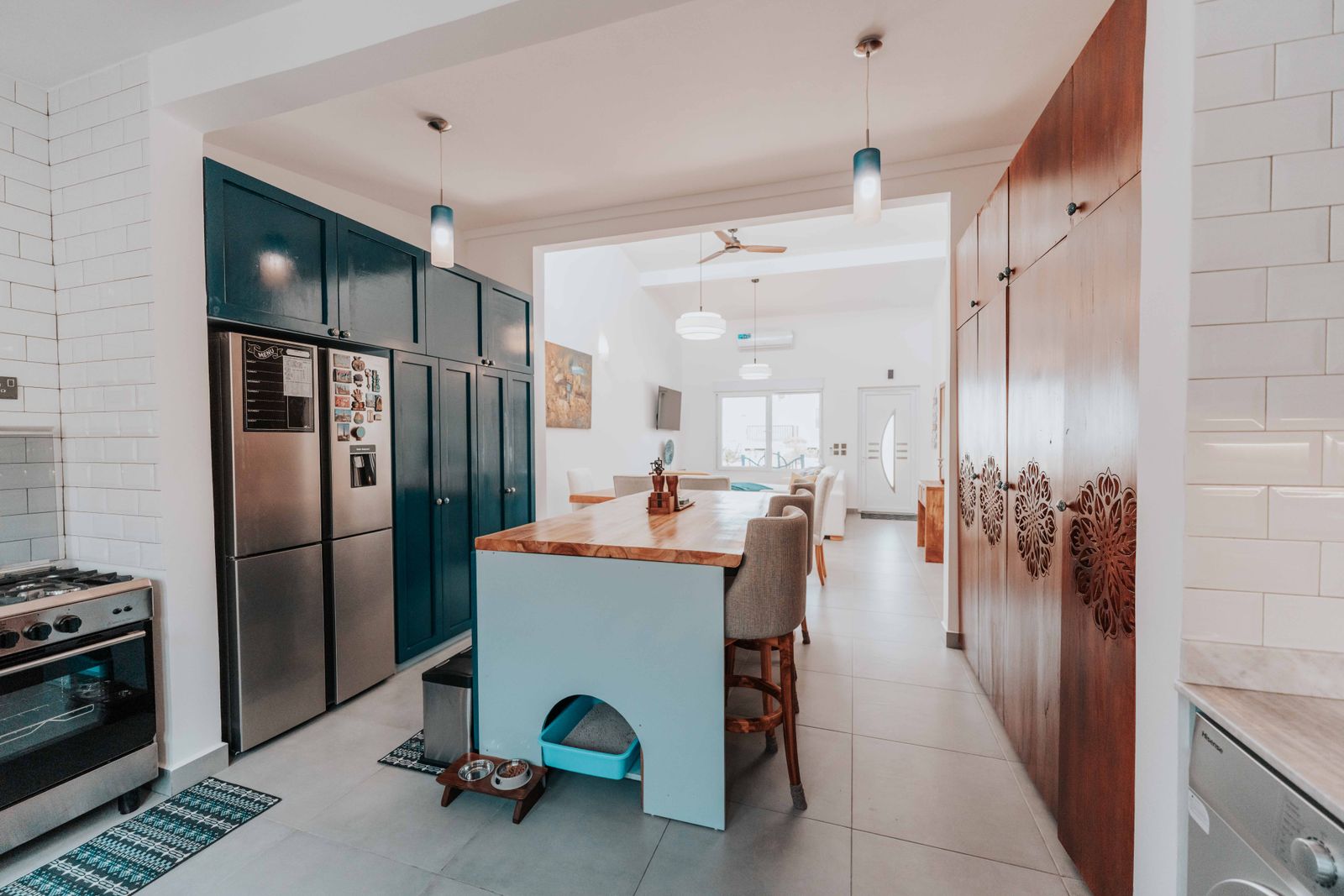
Pendants over the island, a fixture over the sink, a sconce beside a window. These are furniture as much as lighting. Choose them for how they look switched off, because that is how you will see them most of the time.
Pick one color temperature and hold it
The single most common error we get called in to fix is mixed color temperature. A 3000K recessed layer, a 2700K pendant and a 4000K under-cabinet strip in the same room reads as broken, even to people who cannot name what is wrong.
We specify 2700K in warm-toned kitchens with wood, brass and warm paint. We specify 3000K where there is a lot of white, cool stone or nickel. We do not mix, and we check the actual specification on every fixture rather than trusting the marketing name on the box.
Warm white and soft white are marketing words. The number on the box is the only thing that means anything.
Dimmers are not optional
A kitchen at 7 am, at 6 pm with dinner in progress, and at 10 pm when someone wants a glass of water are three completely different rooms. One switch position cannot serve all three.
Every layer we install gets a dimmer, and we match the dimmer type to the driver. Mismatched dimmers are why LED lighting flickers at low levels, and it is entirely avoidable at specification.
The after-dark visit
We do two things no lighting plan should skip. Before design, we visit your kitchen after dark, because a daytime walkthrough tells you almost nothing about a lighting problem.
After installation, we come back after dark again and sit with you while we set the dimmer levels for each scene. It takes forty minutes and it is the difference between a lighting plan on paper and a room that works.
That visit is included in every project we do. Nobody has ever told us it was a waste of time.